
Tip: Before you follow the steps on Quick Summary, write down what is included, what it will cost you to skip, and the decision you still need to make.
Budgeting for an Intercity Household Relocation: A Step-by-Step Guide Planning an intercity move in India requires careful budgeting to avoid costly surprises. Rushing the process often leads to skipped preparations, unexpected expenses, and damaged items. Using a structured approach helps allocate funds wisely across packing, transportation, storage, and insurance while ensuring your household remains safe and organized during the transition.
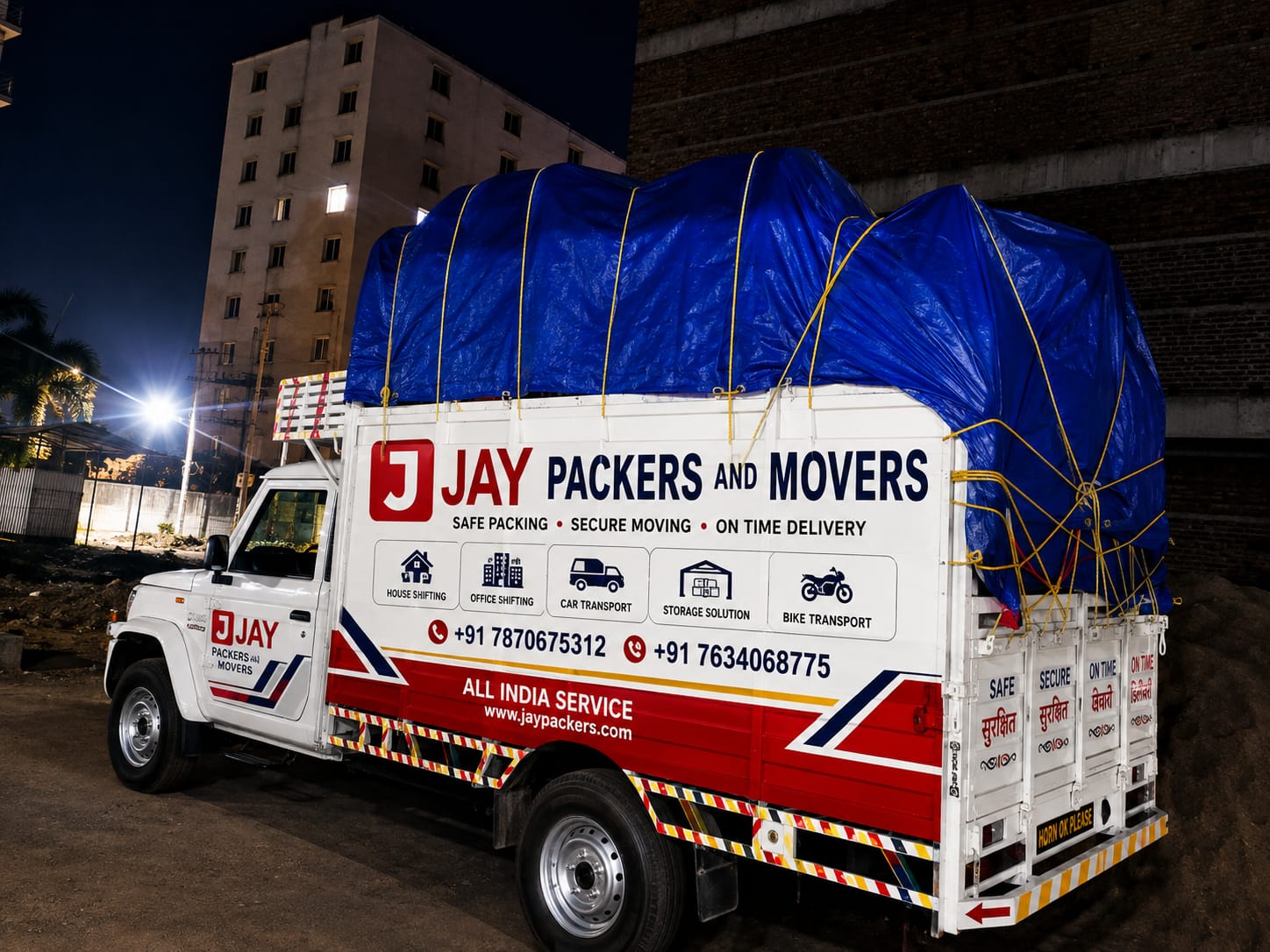
Jay Packers and Movers handles household shifts across India with a focus on thorough planning and reliable service. When moving, the decision to book with a professional like Jay Packers and Movers can make the difference between a smooth transition and a stressful ordeal. The following guide walks you through the key cost factors and planning steps to manage your budget effectively from the start of your intercity relocation.
Quick Summary
-
Timing: Start budgeting 4–6 weeks before departure to secure rates and inventory space.
-
Core Categories: Packing (40%), transportation (30%), storage/warehousing (15%), insurance (10%), and contingency (5%).
-
Key Changes: Last-minute decisions often inflate costs due to limited availability and higher rates.
-
Critical Items: Proper packing materials, route planning, and insurance coverage are essential.
-
Timeline: Early stages (3+ weeks out) focus on inventory and quotes; final stages (1 week out) involve packing and loading.
Why This Job Differs from a Simpler Move
An intercity household relocation in India involves multiple moving components that a standard residential move does not. While a single-family move may only require packing and transporting a few rooms, an intercity shift typically covers entire homes, office spaces, or large vehicles, involving more items, longer distances, and complex logistics. Jay Packers and Movers specializes in handling these multi-component moves, coordinating packing, transportation, and storage in a single integrated service. The complexity increases when you must consider the weight of household goods, the distance between cities, and the need for secure vehicle transport. Unlike a simple apartment move, an intercity relocation often requires multiple packing phases, specialized loading for vehicles, and warehouse storage during transit, each adding distinct cost drivers that must be accounted for in the budget.
| Category | Typical Allocation | Notes |
|---|---|---|
| Packing & Materials | 40% | Bags, tape, boxes, special cushioning for fragile items |
| Transportation | 30% | Vehicle hire, road transport, and inter-city freight |
| Storage/Warehousing | 15% | Temporary storage during packing and loading phases |
| Insurance | 10% | Damage protection, liability coverage, and transit insurance |
| Contingency | 5% | Unexpected fees, last-minute changes, or additional supplies |
What Changes the Quote: Cost Factors in Prose
The quote on your intercity relocation budget is rarely fixed. Prices for transportation vary significantly based on the distance between cities, vehicle type, and whether you need a dedicated truck for office equipment or a standard van for household goods. Storage costs depend on the duration required—some families need a few days while others require a week or more to unload and reorganize. For a related step, see Protecting Mattresses and Sofas During Household Moves. Insurance rates also fluctuate based on the declared value of your belongings and whether you opt for full coverage or basic liability protection. Skipping these factors in the initial quote can lead to underfunding critical protections and unexpected expenses later.
Planning Timeline: From Budgeting to Execution
Three Weeks Out
Begin by gathering all household items and assessing what needs to be moved, packed, or disposed of. This stage involves inventorying every room and creating a detailed list of items to be packed, stored, or discarded. Contact Jay Packers and Movers to request quotes for transportation and storage based on your inventory. For a related step, see Questions to Ask About Damage Cover Before You Book. This early engagement helps secure rates and ensures you have a clear roadmap for the next phases.
One Week Out
Finalize your packing schedule and confirm the details with your mover. This is the time to arrange temporary storage if needed and to coordinate the loading sequence for your vehicle. Ensure all fragile items are properly protected and that your insurance policy is comprehensive. For a related step, see Protecting Mattresses and Sofas During Household Moves. Double-check that all packing materials are available and that your route plan is optimized for the distance and traffic patterns of your specific intercity journey.
The Day Before
Perform a final walkthrough of the home to remove any items not being moved. Confirm the loading schedule with Jay Packers and Movers and ensure the vehicle is ready for your belongings. Pack essentials for the first night at the new home to avoid having to unpack multiple times. This stage is crucial for minimizing damage and reducing the risk of losing items during the move.
Moving Day
The actual move should be a coordinated effort. Have all packed items at the loading area, and allow the mover to handle the transport with minimal intervention. Keep important documents and valuables secure and accessible throughout the process. For a related step, see Questions to Ask About Damage Cover Before You Book. The day should be efficient and stress-free, leaving your new home ready to be settled into as soon as possible.
How the Critical Items Are Handled
Proper preparation of moving items is the foundation of a low-stress relocation. Jay Packers and Movers follows a systematic approach to ensure each component of your move is managed correctly.
-
Inventory & Assessment – Before packing, document every item to determine weight, fragility, and value. This prevents overpacking or under-packing and helps the mover plan the most efficient packing method.
-
Specialized Packing – Household goods are packed in a staged manner: first by room, then by item type (fragile, bulk, electronics). Boxes are labeled and organized to facilitate easy loading later.
-
Vehicle Loading & Securement – A dedicated truck is loaded in the order of priority, with heavier items at the bottom and fragile items cushioned. The mover secures everything with straps and barriers to prevent shifting during transit.
-
Route Planning & Driver Coordination – Jay Packers and Movers selects the most efficient route based on distance, road conditions, and traffic patterns. The driver is briefed on handling procedures to minimize damage.
-
Storage & Unloading – If storage is required, the mover arranges a secure warehouse space and oversees the unloading process at your new location, ensuring items are placed in their designated spots.
| Item | How It Is Handled | What Fails If Skipped |
|---|---|---|
| Household Goods | Packed by room, labeled, and staged | Items get lost or misplaced in chaos |
| Electronics | Wrapped in anti-static foam and secured | Damage from vibration or improper cushioning |
| Fragrant/Perishable Items | Separated and packed in sealed containers | Spillage or spoilage during transit |
| Office Equipment | Disassembled and packed upright | Equipment damage or improper handling |
| Vehicle Transport | Loaded on dedicated truck with straps | Items shifting, crushing, or breaking |
Mistakes and Red Flags to Watch For
-
Skipping Inventory – Without a complete inventory, you cannot accurately estimate packing needs or insurance coverage. This often leads to underinsurance and unexpected costs.
-
Inadequate Packing Materials – Using insufficient packing supplies can result in damaged or lost items. The mover should provide or recommend appropriate boxes, tape, and cushioning.
-
Last-Minute Decisions – Changing packing lists or transport details close to the move date often forces the mover to rush, increasing the risk of errors and raising costs.
-
Incomplete Route Planning – Not accounting for highway closures, tolls, or weather conditions can cause delays and add unexpected expenses.
-
Overlooking Insurance – Relying solely on the mover's liability coverage without personal insurance can leave you financially exposed if items are damaged.
-
Poor Vehicle Loading Practices – Loading items loosely or stacking heavy items on top of fragile ones can cause severe damage during transit.
Questions to Ask Before Booking
1. How do you handle packing for a full-house move across cities?
Answer: Jay Packers and Movers uses a staged packing system that separates heavy items, fragile goods, and essentials. They recommend packing non-essentials first and labeling boxes clearly by room and content.
2. What insurance options are available for my belongings?
Answer: The mover offers comprehensive coverage that protects against damage, loss, and theft during transit. You can choose between basic liability and full replacement value coverage, with transparent pricing based on the declared value of your items.
3. Do you provide storage solutions if my schedule requires it?
Answer: Yes. Jay Packers and Movers has warehouse partnerships that can hold your items temporarily. They will coordinate with you to find the right space and duration based on your timeline.
4. How do you manage the loading and unloading process for household goods?
Answer: The team follows a structured sequence—loading heavy items first, securing them with straps, then adding lighter and more fragile items last. They use barricades and padding to protect items from shifting during the trip.
5. What happens if I need to change my destination or timeline?
Answer: Jay Packers and Movers offers flexible rescheduling and can adjust the transport plan. However, changes after the initial booking may incur additional fees depending on the phase of the move.
Plan Your Move With Jay Packers and Movers
Your next practical step is to gather quotes from multiple providers and compare the total costs across packing, transportation, and storage. Use this comparison to identify the best value for your specific intercity relocation. At the same time, start inventorying your household items so you can provide an accurate estimate of what needs to be packed and moved. For a related step, see Protecting Mattresses and Sofas During Household Moves. By taking these actions now, you can reduce damage risk, stay within budget, and ensure a smooth transition to your new home. Contact Jay Packers and Movers today to book your household shifting, office relocation, or vehicle transportation needs in India, and benefit from their expert coordination and reliable service.