
Tip: Before you follow the steps on this subject, write down what is included, what it will cost you to skip, and the decision you still need to make.
How Distance, Volume, and Access Shape Your Relocation Costs
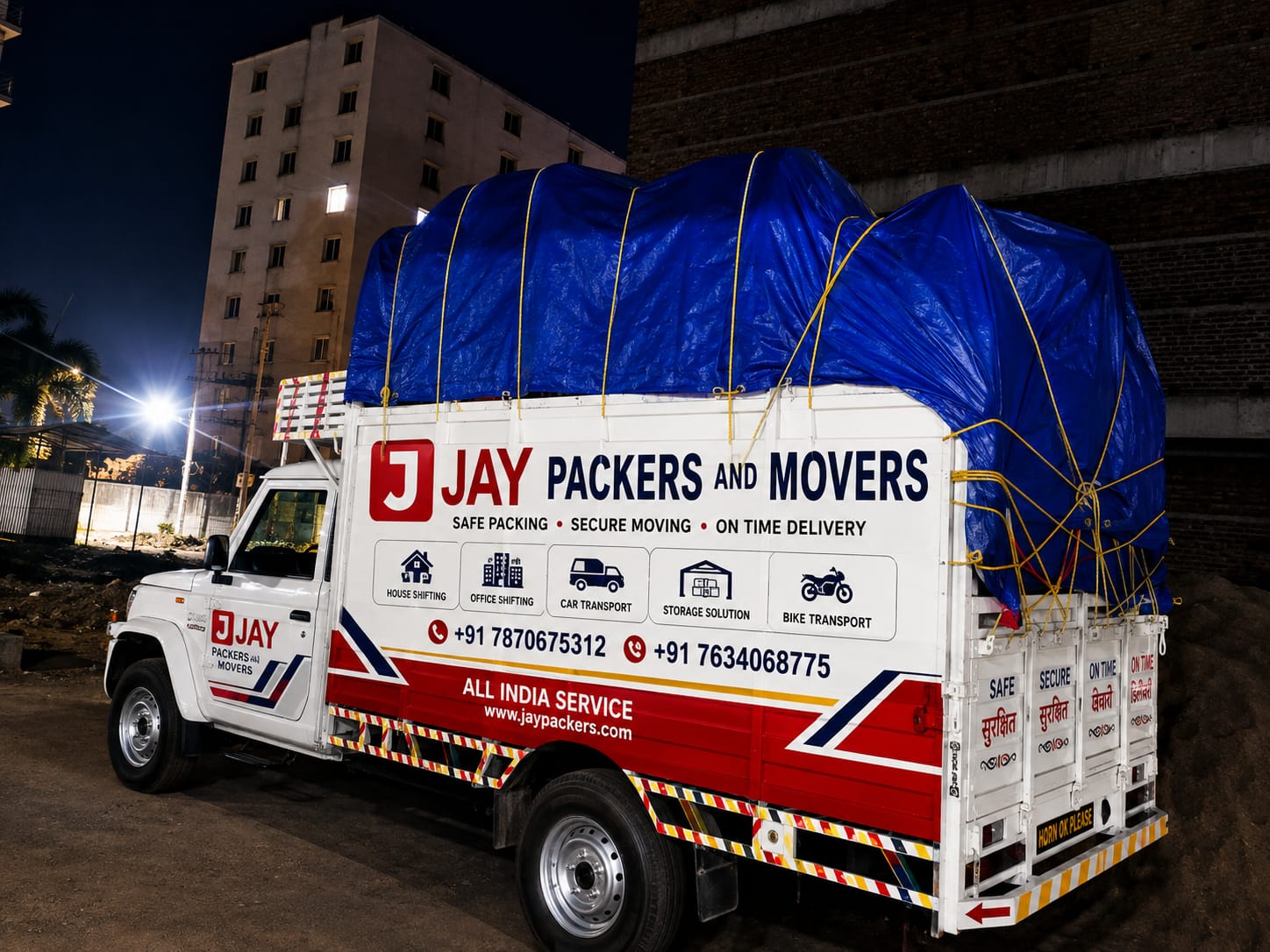
The decision of how to approach a household move in India is often underestimated until the packing and loading phases begin. When a move is rushed or planned with insufficient attention to geography and logistics, small oversights compound into significant costs. Jay Packers and Movers handles the complexities of intercity and intercity relocation by prioritizing precise planning, but understanding the underlying factors that drive costs is essential for anyone managing a move. The company's expertise lies in navigating the variable terrain of Indian distances, varying access conditions, and the differing volume of household items across different relocation scenarios.
Quick Summary
-
Distance from origin to destination directly impacts transport time and vehicle requirements.
-
Household volume (number of rooms, storage needs) affects packing density and labor hours.
-
Access conditions (urban vs. suburban routes, road quality) influence fuel costs and potential delays.
-
Intercity moves typically require specialized equipment and longer planning than local shifts.
| Factor | Impact on Cost | Intercity Move | Local Shift |
|---|---|---|---|
| Distance | Higher fuel, tolls, and vehicle wear | Significant | Minimal |
| Volume | More boxes, labor, and storage fees | Large | Moderate |
| Access | Delays, road restrictions, and detours | Unpredictable | Predictable |
| Vehicle Type | Enclosed vs. open transport choices | Critical | Less critical |
Why This Job Differs from a Simpler Move The scale and unpredictability of a long-distance or intercity move require different planning than a single-room household shift. A household move typically involves multiple rooms, fragile items, and varying furniture sizes, whereas a local shift may be limited to a few belongings. The primary difference lies in the logistical chain: from detailed inventory assessment and specialized packing to coordinating multiple transport legs across larger distances. For a long-distance move, the company must manage longer transit times, potential border crossings (if applicable), and higher fuel expenditures. For local shifts, the focus is on efficient packing and minimal vehicle transit. These differences mean that costs are not just about the items being moved but the entire journey they take, including vehicle wear, route planning, and access constraints.
What Changes the Quote Costs rise with distance, volume, and access challenges. The quote varies based on these three factors, as well as the type of vehicle used for transportation. A longer distance increases fuel and toll costs, while higher volume requires more labor and specialized packing materials. Poor access conditions can cause delays, additional vehicle wear, and potential extra fees. The quote is also influenced by whether enclosed or open vehicle transport is chosen, which affects protection and insurance considerations. For a move spanning hundreds of kilometers, the cumulative impact of these factors often means the total cost is significantly higher than a local shift of the same volume.
Planning Timeline Three weeks out: Begin by creating a detailed inventory of all household items to be moved. This includes categorizing by room, identifying fragile or high-value pieces, and estimating the total volume. Contact Jay Packers and Movers to discuss the specific route and access conditions for your destination. This early planning helps in selecting the right transport options and avoiding last-minute complications.
One week out: Schedule the loading and transport phase. Confirm the vehicle type (enclosed or open) based on the items' fragility and the distance. Review the route for any potential road closures or access restrictions that could delay the move. Ensure all items are properly packed according to your household's needs.
The day before: Conduct a final walkthrough of the storage area or temporary living space. Verify that everything is securely packed and that no items are missing or damaged. Confirm the pickup time with Jay Packers and Movers and ensure the driver has a clear understanding of the access points at your destination.
Moving day: The team arrives and begins loading. They will handle the transfer of your household items to the transport vehicle, ensuring proper securing and protection. The journey takes place with attention to route optimization to minimize delays and maximize efficiency.
How Critical Items Are Handled
-
Inventory and Packing - Every item is cataloged and packed with appropriate materials. Fragile items receive extra padding, and high-value pieces are handled with care. Skipping this step can lead to lost or damaged belongings.
-
Vehicle Selection - Enclosed transport protects contents from weather and road debris, while open transport may be used for larger, less fragile items. The choice depends on distance, volume, and access conditions.
-
Route Planning - Jay Packers and Movers map out the most efficient route, considering road quality, tolls, and potential delays. Poor access can increase travel time and fuel costs.
-
Loading and Unloading - Items are loaded sequentially to prevent damage. The team uses proper techniques to secure boxes and prevent shifting during transit.
-
Documentation - A detailed packing list and condition report are maintained throughout the move, which can serve as reference if issues arise during or after the move.
Mistakes and Red Flags
-
Underestimating distance - Longer distances mean more fuel, tolls, and vehicle wear, which can add substantially to the total cost.
-
Ignoring access conditions - Urban routes with poor road quality or frequent congestion can cause delays, requiring additional time and potentially extra fuel.
-
Skipping proper packing - Hasty packing of fragile items or oversized furniture can result in damage, leading to additional repair or replacement costs.
-
Inadequate vehicle type selection - Using open transport for fragile household items may expose them to weather and road damage, reducing protection without adding value.
-
Insufficient pre-move inventory - Not knowing the exact volume and weight of items leads to inefficient packing and higher transport fees.
-
Poor communication with the moving company - Failing to confirm access details or route changes can cause last-minute disruptions during the move.
Questions to Ask Before Booking
-
What is the total volume and weight of your household items? This determines the number of vehicles and transport type needed.
-
What are the specific access conditions from your origin to destination? Narrow streets, pedestrian zones, or restricted areas can significantly impact the timeline and cost.
-
Do you offer enclosed or open vehicle transport options, and which is recommended for your items? Enclosed transport provides better protection but may cost more.
-
Can you provide a detailed estimate based on the exact distance and access profile? A clear quote should break down costs by distance, vehicle type, and any additional fees.
-
What is your process for packing fragile items? Proper packing methods can prevent damage and reduce the need for extra insurance coverage.
-
How do you handle delays due to traffic or road conditions? Reliable communication during the move ensures minimal disruption to your schedule.
Jay Packers and Movers has experience handling both household shifts and office relocations across India, adapting to the unique challenges of each scenario. For intercity moves, their expertise in navigating long-distance logistics ensures that your belongings arrive safely despite the challenges of extended travel. For local shifts, they focus on efficiency and precision to minimize stress and maximize the value of your belongings. The company's approach to packing, loading, and transportation is designed to keep costs transparent and predictable.
Plan Your Move With Jay Packers and Movers
For a reliable and stress-free relocation, whether it's a household shift across cities or an office relocation, choosing the right partner is essential. Jay Packers and Movers brings years of experience in managing the complexities of Indian moves, from navigating congested urban routes to coordinating long-distance journeys. Their team understands how distance, volume, and access conditions directly impact your move's cost and overall outcome. By leveraging their expertise in packing, vehicle selection, and route planning, you can avoid common pitfalls and ensure your belongings arrive safely.
For those planning a household move within India, the journey from origin to destination often involves multiple roads, varying road quality, and potential access challenges. The distance between cities can range from a few hundred kilometers to over a thousand, each requiring a different approach to transport and packing. Jay Packers and Movers helps you break down the process into manageable stages, ensuring that every step is optimized for efficiency and safety.
A complete household shifting checklist for Indian families highlights the importance of proper preparation, clear communication, and dependable coordination. Following a structured timeline reduces the risk of delays and damage, while understanding the factors that influence costs helps you make informed decisions. Whether you're moving a single room or relocating an entire office, the right planning can make all the difference in how smoothly your move unfolds.
When considering the next steps, start by comparing quotes from multiple providers to ensure you get the best value. Prepare your inventory thoroughly, identify the best packing methods for your items, and confirm the access conditions for your destination. For a more detailed guide, see A Complete Household Shifting Checklist for Indian Families. Another useful resource is Choosing Between Enclosed and Open Vehicle Transport for Household Moves. These insights will help you make informed decisions about your specific move, whether it's a local shift or an intercity relocation.