
Tip: Before you follow the steps on Quick Summary, write down what is included, what it will cost you to skip, and the decision you still need to make.
How to Declutter Your Home Before Relocation
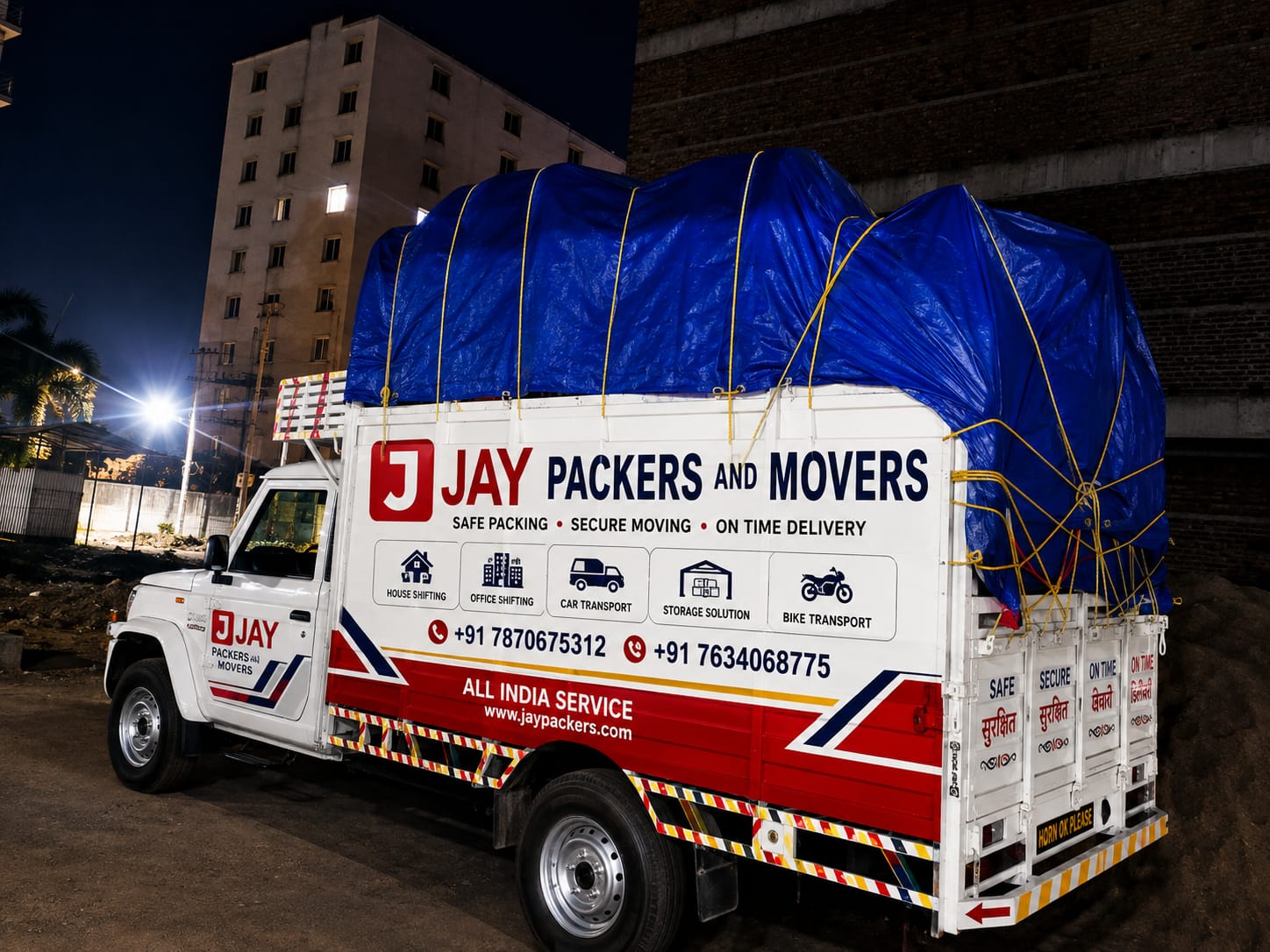
The decision to relocate—whether for a household shift, office relocation, or vehicle transportation—requires careful preparation to ensure the move runs smoothly and the new space is ready for occupancy. Rushing the decluttering process often leads to missed items, inefficient packing, and additional stress during the actual move. When packing is disorganized and belongings are not properly sorted, the move can become chaotic, and valuable items may be damaged or lost. Jay Packers and Movers understands that a thorough decluttering phase is essential for a stress-free relocation, as it reduces the total volume of items to transport and minimizes the risk of breakage or misplacement.
A well-planned decluttering process transforms a daunting move into a manageable task. It involves sorting through possessions, deciding what can be kept, donated, sold, or discarded, and organizing the remaining items in a way that facilitates efficient loading and unloading. This step sets the foundation for a successful relocation, ensuring that the space is functional and the transition is seamless. For a related step, see How to Plan an Office Relocation without Disrupting Operations.
Quick Summary
-
Start decluttering 4–6 weeks before the move to allow ample sorting time
-
Sort items into keep, donate, sell, and discard piles
-
Focus on high-traffic areas first (living room, kitchen, bedroom)
-
Remove duplicates and unused electronics to reduce weight
-
Keep essential documents and irreplaceable items organized
-
Aim for a 30–50% reduction in total belongings
-
Verify everything is packed before leaving the old home
Why This Job Differs from a Simpler Move
The process of decluttering before relocation is fundamentally different from a straightforward move because it requires deliberate decision-making about what remains in the home. A simple move assumes all items have a place, but a decluttering phase forces a reassessment of value, utility, and necessity. This comparison highlights the added complexity: a move is about transportation, while decluttering is about intentionality and space optimization. The quote changes from "just pack what you can carry" to "only keep what you truly need."
| Aspect | Simple Move | Decluttering Phase |
|---|---|---|
| Time Required | Days to a week | 4–6 weeks |
| Focus | Loading, transport, unpacking | Sorting, evaluating, removing |
| Space Impact | Moves to empty space | Reduces total volume to transport |
| Risk | Lost items, broken goods | Unnecessary weight, damage |
| Preparation | Basic packing | Comprehensive sorting |
What Changes the Quote
The quote shifts from "pack everything you own" to "pack only essentials and remove unnecessary items." This change is critical because it transforms the move from a logistical challenge to a strategic one. Instead of simply moving what you have, you begin the process of deciding what you actually need in the new space. For a related step, see Protecting Valuables and Documents During Relocation.
Planning Timeline
Three Weeks Out
Begin the decluttering process early to avoid last-minute scrambling. Go through each room systematically, starting with areas that are easiest to clear. Sort items into four categories: keep, donate, sell, and discard. Focus on high-traffic areas like the living room, kitchen, and bedroom first. This initial sweep establishes a baseline and gives you a clear picture of what remains.
One Week Out
Complete the sorting process and begin cleaning. Remove unnecessary items from storage and discard anything that no longer serves a purpose. This stage should be thorough enough to reduce the total volume of belongings. Once everything is sorted, begin packing non-essentials like books, decorations, and seasonal items. Use sturdy boxes and label them clearly by room to streamline the loading phase.
The Day Before
Do a final walk-through to ensure nothing is left behind. Verify that all donated or sold items have been handed over. Pack fragile items separately and ensure they are properly cushioned. This preparation minimizes the risk of damage during transport and makes the actual move more efficient. For a related step, see How to Plan an Office Relocation without Disrupting Operations.
Moving Day
Load the truck carefully, starting with heavier items and securing them properly. Keep an eye on weather conditions and traffic to ensure a safe arrival. Once the truck is fully loaded, supervise the unloading process at the new location to ensure everything is placed correctly. This final phase relies on the organization established during the decluttering and packing stages.
How Critical Items Are Handled
-
Electronics – Disconnect power sources before packing; use bubble wrap and individual compartments to prevent scratches and breaks. Without proper wrapping, fragile devices can shatter during transit.
-
Documents – Keep essential papers (passports, IDs, medical records) in a separate, waterproof container that travels with the most critical items. For a related step, see Protecting Valuables and Documents During Relocation.
-
Furniture – Disassemble large furniture (like beds and tables) if possible, as this reduces weight and damage risk. Use padding and blankets to cover surfaces during transport.
-
Bedding and Linens – Pack these items separately in breathable bags to maintain freshness and prevent mold. Avoid overstuffing boxes to prevent crushing.
-
Kitchenware – Group dishes, glasses, and plates by type and condition. Fragile items should be packed last and secured with additional padding.
| Item Category | Packing Method | Risk if Skipped |
|---|---|---|
| Electronics | Individual wrapping, bubble wrap | Cracks, dents, data loss |
| Documents | Waterproof container, labeled | Lost or water-damaged |
| Furniture | Disassembly, padding | Broken legs, bent frames |
| Bedding | Breathable bags, separate boxes | Staining, mold growth |
| Kitchen | Grouped by type, sealed | Broken glass, spills |
Mistakes and Red Flags
-
Keeping too much – Carrying unnecessary items increases the volume and weight of the move, making it more difficult and costly.
-
Not sorting by room – Mixing different room contents together makes packing and unpacking chaotic and time-consuming.
-
Ignoring fragile items – Treating glassware and electronics casually leads to breakage during transit, resulting in damaged goods.
-
Leaving important documents at home – Losing critical papers can cause significant delays and stress upon arrival.
-
Overpacking boxes – Stuffing too many items into one box creates unstable loads that can shift and damage during loading.
-
Skipping cleaning – Dirty floors and surfaces can contaminate new spaces and create health hazards.
Questions to Ask Before Booking
What is the estimated volume of your belongings?
This helps determine the appropriate truck size and packing strategy. For a related step, see How to Plan an Office Relocation without Disrupting Operations.
How much time do I have before the move date?
The more time available, the more thorough the decluttering can be, leading to a smoother transition.
Do I have a system for sorting and storing items temporarily?
Having a designated spot for packing materials and sorting piles prevents clutter from accumulating at the new location.
What is my budget for additional packing supplies or professional help?
Balancing cost and quality ensures you have the right materials without overspending on unnecessary extras.
Will I need to transport separate components of a large item (e.g., a bed frame or piano)?
These items require special handling and may need disassembly before transport.
Plan Your Move With Jay Packers and Movers
Your preparation sets the foundation for a successful relocation. By decluttering before you move, you reduce the overall load, lower costs, and create a more functional space in your new home. Jay Packers and Movers is ready to help you navigate every stage of the move, from packing to unpacking, ensuring that your household shifting, office relocation, or vehicle transportation is as smooth as possible. Whether you are moving across cities or states within India, our expertise in handling the full scope of household transitions makes the process reliable and stress-free.
If you need assistance with your next move—be it household shifting, office relocation, intercity moves, or vehicle transportation—contact Jay Packers and Movers to discuss your specific needs. Our team prioritizes careful packing, clear communication, and dependable coordination to protect your belongings throughout the journey. For a related step, see How to Plan an Office Relocation without Disrupting Operations. For a related step, see Protecting Valuables and Documents During Relocation.