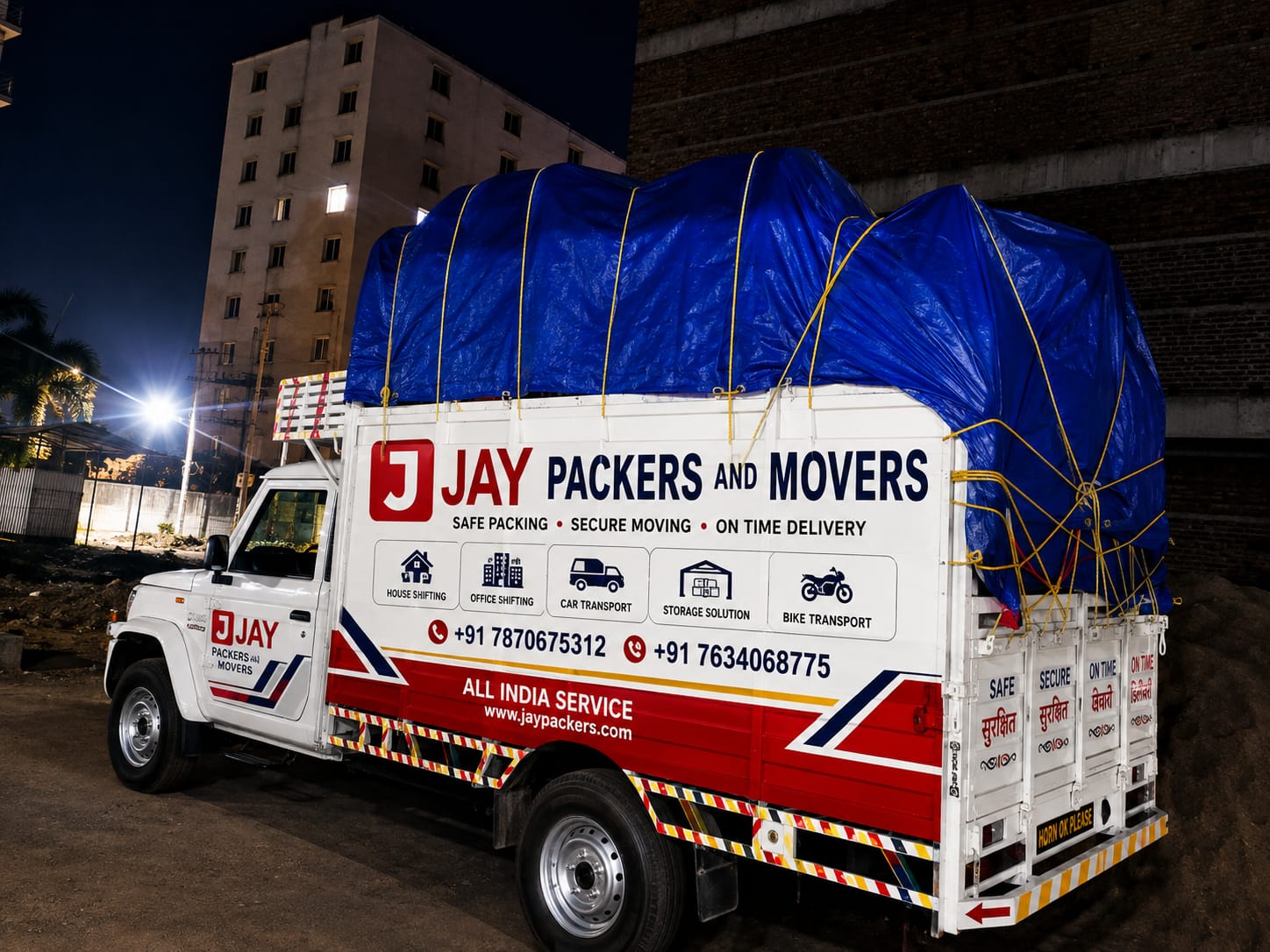

Tip: Before booking, make a detailed inventory of all items to be moved and categorize them by fragility, value, and sensitivity to identify which will need professional packing.
Professional Packing: How to Identify Items That Require Expert Care
Moving a household, relocating an office, or transferring a vehicle all involve moving valuable and often fragile items. When the process is rushed, critical items can be damaged, lost, or mishandled in ways that create stress and expense. Jay Packers and Movers specializes in ensuring that even the most delicate items reach their new home intact, which is why their team carefully evaluates each piece of belongings before the move. Rushing this decision often leads to overlooked items that require specialized packing techniques, resulting in extra handling and potential damage.
The decision to involve professional packing services becomes crucial when items are high-value, irreplaceable, or prone to breakage. For household shifting, office relocation, vehicle transport, or warehousing, the stakes are different from a simple home move. Each environment presents unique challenges—offices require desk and equipment protection, vehicles need secure loading, and warehousing involves long-term storage. Jay Packers and Movers understands these nuances and tailors their approach accordingly.
Quick Summary
-
Timing: Assess packing needs 2-4 weeks before the move to allow proper preparation.
-
Checks: Review each item's condition, value, and storage requirements before packing.
-
Changes: Professional packing reduces damage risk and ensures specialized care for delicate items.
-
Planning: Break the move into stages (3 weeks out, 1 week out, day before, moving day) with specific actions for each.
-
Critical Items: Fragile goods, electronics, documents, and vehicle components require expert handling.
-
Preparation: Create a packing list, label boxes clearly, and coordinate with movers early.
Why Professional Packing Differs from a Simple Move
Moving household goods, shifting an office, or transporting a vehicle each involve different types of risk. A simple move might rely on basic boxes and padding, but professional packing adds specialized materials, training, and careful handling. For example, a fragile vase that could shatter in a cardboard box needs bubble wrap and custom crating, while an office desk must be disassembled and secured to prevent damage during transport. Vehicle transportation adds the challenge of securing loads to prevent shifting or crushing during the trip. Warehousing requires items to be stored flat or upright to avoid compression and moisture exposure. Jay Packers and Movers applies these principles across all move types, recognizing that the complexity of the job dictates the level of care required. For a related step, see DIY Moving vs. Hiring Professional Packers and Movers: A Practical Guide for Indian Households.
| Item Type | Why Professional Packing Matters | Common Risks Without Experts |
|---|---|---|
| Fragile glassware and ceramics | Custom crating and shock-absorbent materials | Cracks, breaks, shattered items |
| Electronics (laptops, phones, tablets) | Anti-static bags, individual padding | Scratched screens, bent screens |
| Documents and papers | Acid-free sleeves, flat storage | Creasing, moisture damage, misfiling |
| Office equipment (monitors, printers) | Disassembly, anti-vibration padding | Spilled ink, bent casings, broken screens |
| Vehicle components (seats, upholstery) | Specialized padding, secure loading | Tearing, compression, permanent deformation |
What Changes the Quote: Cost Factors in Prose
The quote "professional packing reduces damage risk" is accurate when considering the hidden costs of mishandling. While the exact price varies by item type and distance, the hidden expenses of a damaged move—such as replacement costs, extra transportation fees for broken items, and the emotional stress of a ruined household or office—often outweigh the initial packing investment. Professional packing services typically charge more than basic packing due to their expertise, specialized materials, and insurance coverage. However, this investment prevents the need for costly repairs, lost inventory, and the time spent replacing items after a move.
The table below compares cost factors in prose and highlights the value of professional handling:
| Factor | DIY Packing | Professional Packing |
|---|---|---|
| Materials | Basic bubble wrap, cardboard | Custom crating, climate-controlled materials |
| Expertise | General knowledge | Training in fragile item protection |
| Insurance | Limited or none | Comprehensive coverage for damaged items |
| Time Investment | Longer, more error-prone | Efficient, minimized handling |
| Long-Term Risk | Higher chance of breakage | Lower risk of damage to high-value items |
Planning Timeline
Three Weeks Out
Begin by conducting a full inventory of everything that will be moved. This includes sorting items into categories: essentials, keep, donate, and discard. Identify which items are fragile, valuable, or time-sensitive (such as important documents or office equipment). This early assessment allows Jay Packers and Movers to allocate specialized resources and ensure that critical items are packed first. Make a list of any items that require special handling, such as electronics, glassware, or office furniture, so the movers can prepare the right materials in advance.
One Week Out
Confirm the moving date with the packing team and review the inventory list. Ensure all fragile items are labeled appropriately and that high-value electronics are documented. If moving an office, create a detailed list of desk components and equipment that will be packed separately from personal belongings. This stage also involves discussing any special requirements, such as climate control for electronics or secure storage for items that cannot be left unattended.
The Day Before
Do a final walkthrough of the contents to be moved. Verify that all fragile items have been properly categorized and that packing materials are ready. Confirm the loading plan with the movers, especially for vehicle transport where weight distribution matters. For warehouse storage, ensure items are staged in a way that prevents compression or moisture exposure. This final check minimizes last-minute errors and ensures a smooth transition to the packing stage.
Moving Day
The packing team will begin with the most fragile items, wrapping them in bubble wrap and placing them in sturdy boxes. They will then pack electronics carefully, using anti-static materials and padding. Documents and important paperwork will be placed in acid-free sleeves for protection. Office equipment will be disassembled and protected with specialized padding. Vehicles will be loaded last, with each component secured to prevent shifting during transport. The team will maintain clear communication throughout to adjust to any unexpected challenges.
How Critical Items Are Handled
Packing delicate items requires a different approach than standard household packing. Fragile goods such as glassware, ceramics, and art pieces need custom crating with internal cushioning. Electronics require individual padding in anti-static bags to prevent static discharge and physical impact. Documents and papers should be stored flat in archival-quality boxes to avoid creasing or moisture damage. Office furniture must be disassembled, labeled by department, and packed separately to prevent damage during transport. Vehicles need their components secured with straps and blankets to prevent shifting or crushing. For a related step, see How to Label Office Boxes by Department and Workstation.
| Item | How It Is Packed | What Fails If Skipped |
|---|---|---|
| Glassware | Custom crating with bubble wrap and foam inserts | Cracks, shattered pieces |
| Electronics | Anti-static bags, individual padding | Screen damage, bent casings |
| Documents | Acid-free sleeves, flat storage | Creasing, moisture damage |
| Office Equipment | Disassembly, padding, secure packaging | Bent screens, broken keyboards |
| Vehicle Components | Strainers, blankets, secure loading | Crushing, tearing |
Mistakes and Red Flags
-
Skipping a thorough inventory: If items are not cataloged before packing, it becomes impossible to ensure each fragile piece is properly protected, leading to lost or damaged items.
-
Using generic packing materials: Standard cardboard boxes without proper padding can cause compression, scratches, and tears to delicate items.
-
Overpacking in one box: Putting too many fragile items in a single box creates excessive pressure and increases the risk of breakage.
-
Ignoring fragile electronics: Laptops, phones, and tablets should never be packed loose; they require individual sleeves and padding to prevent internal damage.
-
Not labeling boxes by category: Ambiguous labeling can result in items being mixed and mishandled, especially in a multi-person packing environment.
-
Rushing the process: When moves are planned quickly, critical items are often neglected or mishandled due to haste.
Questions to Ask Before Booking
What types of items should be packed by professionals?
- Answer: Fragile goods (glassware, ceramics, art), electronics (laptops, phones, tablets), documents and important paperwork, and office equipment (monitors, printers, keyboards) all require specialized handling. Even valuable but non-fragile items like books or furniture should be packed carefully to avoid scratches or dents.
How does professional packing compare to DIY packing?
- Answer: DIY packing relies on basic materials and general knowledge, which can lead to breakage. Professional packing uses custom crating, climate-controlled materials, and trained staff, reducing the risk of damage and ensuring insurance coverage for valuable items.
Will Jay Packers and Movers handle vehicle components separately?
- Answer: Yes. Vehicle components such as seats, upholstery, and trim must be secured with strainers and blankets to prevent shifting during transport, and they should be packed last to avoid compression from heavier items.
Can they help with office relocation or warehouse storage?
- Answer: Absolutely. For office moves, they will disassemble and pack desk components separately. For warehousing, they will arrange items to prevent compression and moisture exposure, ensuring long-term storage integrity.
What happens if I need to change my packing requirements mid-move?
- Answer: The movers can adjust the packing plan as needed, though changes close to the move date may affect scheduling. It is best to finalize the packing list early and communicate any changes promptly.
Plan Your Move With Jay Packers and Movers
The guidance in this article is designed to help you make informed decisions about moving your household, office, or vehicle. Comparing quotes from different providers, preparing a detailed inventory, and timing your move appropriately are essential steps to ensure a smooth transition. Reducing damage risk starts with understanding what needs professional packing and how to prepare for each stage of the move.
For household shifting, office relocation, intercity moves, or vehicle transportation, Jay Packers and Movers offers expert handling tailored to each scenario. Contact them to discuss your specific needs and benefit from their specialized packing services. Their team prioritizes careful packing, clear communication, and dependable coordination to keep your belongings safe and your relocation stress-free.