
Tip: Before you follow the steps on this subject, write down what is included, what it will cost you to skip, and the decision you still need to make.
How to Plan an Interstate Household Move in India
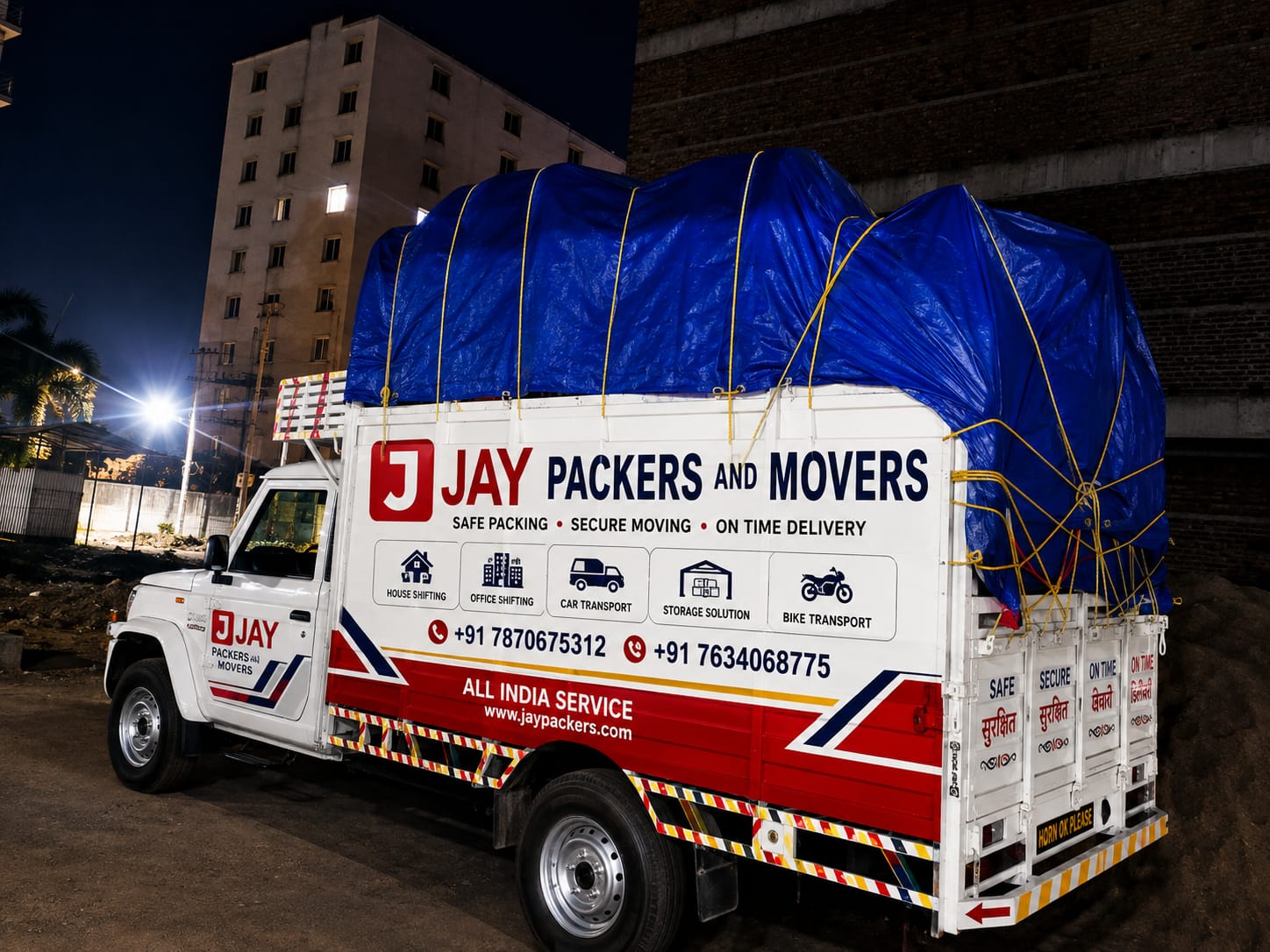
The decision of whether to move your household across state or country lines in India often hinges on how carefully you orchestrate every step. Rushing a move can lead to lost items, damaged goods, and significant stress for everyone involved. Jay Packers and Movers specializes in handling the complexities of household shifting, office relocation, packing, loading, and vehicle transport with a focus on safety and reliability. When moves are planned thoughtfully, the experience becomes less about chaos and more about a smooth transition that preserves what matters most.
Moving an entire household across India involves navigating diverse logistics, varying transport options, and different regional requirements for packing and loading. The stakes are higher than a simple apartment move because the journey often spans multiple states or even cities, requiring coordination of multiple services and careful attention to timing. Jay Packers and Movers offers structured guidance to ensure each phase of the move runs as planned, minimizing disruption and maximizing the safety of your belongings.
Quick Summary
-
Start planning 3–6 months in advance for interstate moves
-
Create a detailed inventory and prioritize fragile items
-
Secure professional packing and loading services
-
Confirm transport options and vehicle capacity for household goods
-
Schedule the move during a stable seasonal period
-
Keep documentation and inventory records updated throughout
Why This Job Differs from a Simpler Move Household moves in India differ significantly from a single-apartment relocation due to scale, complexity, and regulatory considerations. Unlike a small apartment shift, an interstate move involves multiple pallets, vehicle transport, and coordination across different states with varying road conditions and customs. Office relocations often require specialized equipment and access to building infrastructure. Packing and loading for a full household demands organizational precision that goes beyond basic item placement. Vehicle transport adds layers of risk, including road safety, cargo securing, and insurance coverage for high-value items.
| Factor | Simple Move (Same City) | Interstate Household Move |
|---|---|---|
| Distance | Short, predictable | Long, variable route |
| Vehicle Need | Personal car or small van | Dedicated transport truck |
| Packing Complexity | Basic boxes, minimal labeling | Full inventory, specialized crating |
| Timeline | 2–4 weeks | 3–6 months |
| Cost Structure | Low, straightforward | High, multi-service coordination |
What Changes the Quote: Cost Factors in Prose While prices vary by location and item value, the primary cost drivers for an interstate household move include professional packing fees, specialized loading services, vehicle transport rates, and insurance coverage for high-value items. Unlike a single-apartment move where you might only pay for labor, a full household relocation requires bundling services: packing, loading, transport, and unloading all under one provider or coordinated vendors. This comprehensive approach often results in higher upfront costs but reduces the risk of under-insuring your belongings. The quote shifts from a simple labor fee to a multi-component logistics investment that includes transportation, equipment, and insurance.
| Component | Description |
|---|---|
| Packing & Labeling | Custom crating for fragile items, detailed labeling |
| Loading & Unloading | Professional team handling household goods |
| Vehicle Transport | Dedicated truck with secure restraints and route planning |
| Insurance Coverage | Comprehensive coverage for declared value of items |
| Timeline & Scheduling | Coordinated dates for packing, transport, and delivery |
Planning Timeline
Three Weeks Out
Begin by creating a master inventory of all household items. Categorize by room and assign a priority level to fragile, high-value, and essential items. This list will guide packing priorities and help identify what must be packed first. For office relocations, ensure all electronic equipment is documented and powered down. For vehicle transport, begin researching truck capacity and route options. Jay Packers and Movers can help streamline this inventory process to avoid last-minute surprises.
One Week Out
Confirm all packing arrangements and schedule the loading day. Verify that your chosen transport provider has adequate space for your household goods and that the vehicle meets Indian road and transport regulations. Review your insurance policy to ensure it covers the full declared value of your belongings. For interstate moves, check road conditions and seasonal factors that might affect loading and transport. This stage is critical because delays here can cascade into higher costs and stress.
The Day Before
Perform a final walkthrough of your home to ensure nothing is left behind that needs special handling. Pack non-essentials and secure doors/windows to prevent accidental damage. Confirm the loading schedule with your moving team and have all items clearly labeled and staged. This is the last opportunity to catch missing items before the move day begins.
Moving Day
The loading and transport phase requires careful coordination. Packers and Movers will handle the safe transfer of your household goods from point A to point B, using padded crates and secure restraints for vehicle transport. The team will ensure your items arrive intact and in the same condition as when they left. For office relocations, this may involve transferring computer setups and documents. For vehicle transport, all household goods are loaded onto the designated vehicle with proper securing.
How the Critical Items Are Handled
-
Fragile Items - These are packed in custom crates with bubble wrap and placed in the most secure part of the vehicle. Skipping proper crating can lead to breakage during transport, especially on long distances.
-
Electronic Equipment - Laptops, servers, and monitors require anti-static bags and padded packaging. Loading them separately from other items prevents static discharge and physical damage.
-
Books and Papers - These should be packed separately with acid-free tissue and placed upright in the vehicle to avoid bending or crushing.
-
Clothing and Furniture - Use wardrobe boxes for linens and clothing, and disassemble larger furniture to reduce bulk and damage risk.
-
Valuables - High-value items should be professionally packed and stored in a separate compartment of the vehicle or transported separately to minimize risk.
| Item Category | Packing Method | Risk if Skipped |
|---|---|---|
| Fragile Electronics | Custom crates with padding | Cracks, shattered screens |
| Books & Documents | Separate boxes, upright | Bent spines, torn pages |
| Clothing | Wardrobe boxes, tight packing | Compression, stains |
| Furniture | Disassembly, padding | Damage, breakage |
| High-Value Items | Professional crating, secure storage | Loss or theft |
Mistakes and Red Flags
-
Underestimating inventory complexity - Failing to create a detailed list can result in lost items or last-minute scrambles for missing belongings.
-
Skipping professional packing - DIY packing without proper materials can cause significant damage during transport, especially for glassware and electronics.
-
Inadequate insurance coverage - Relying on basic homeowner's insurance may leave belongings unprotected during long-distance transport.
-
Poor timing - Starting too close to the move date can cause delays in packing, loading, and unloading, leading to stress and higher costs.
-
Neglecting route planning - For interstate moves, poor routing can cause delays, vehicle breakdowns, and increased fuel costs, especially in heavy traffic.
Questions to Ask Before Booking
What type of packing services does Jay Packers and Movers provide for household shifting?
Answer: They offer custom crating, labeling, and professional packing to ensure fragile and high-value items are protected during transport.
How do they handle loading and vehicle transport for a full household move?
Answer: Their team uses padded crates, secure restraints, and route planning to minimize damage and ensure timely delivery.
Can they accommodate office relocations in addition to household moves?
Answer: Yes, they provide coordinated services for office setups, including equipment transfer and secure storage.
What insurance options are available for valuables during interstate relocation?
Answer: They partner with insurers to offer comprehensive coverage for declared item value, including electronics and documents.
Should I schedule the move during a specific season or time of year?
Answer: Generally, spring and early summer are preferred for interstate moves due to better weather and road conditions, though this depends on your specific route and region.
Plan Your Move With Jay Packers and Movers
The guidance above is designed to help you move confidently and safely. To ensure a smooth transition, start by comparing quotes from multiple providers and verify that each package includes packing, loading, and transport under one umbrella. Prepare your inventory thoroughly and schedule your move during a stable seasonal period to avoid weather-related delays. Reducing damage risk comes down to careful planning, professional execution, and clear communication throughout the process.
For more detailed strategies on organizing your move, see How to Plan an Office Relocation without Disrupting Operations. Protecting your valuables and important documents during relocation is equally critical; for a related step, see Protecting Valuables and Documents During Relocation.