
Tip: Before you follow the steps on Quick Summary, write down what is included, what it will cost you to skip, and the decision you still need to make.
Moving Household Goods Between Indian Metro Cities: A Practical Guide
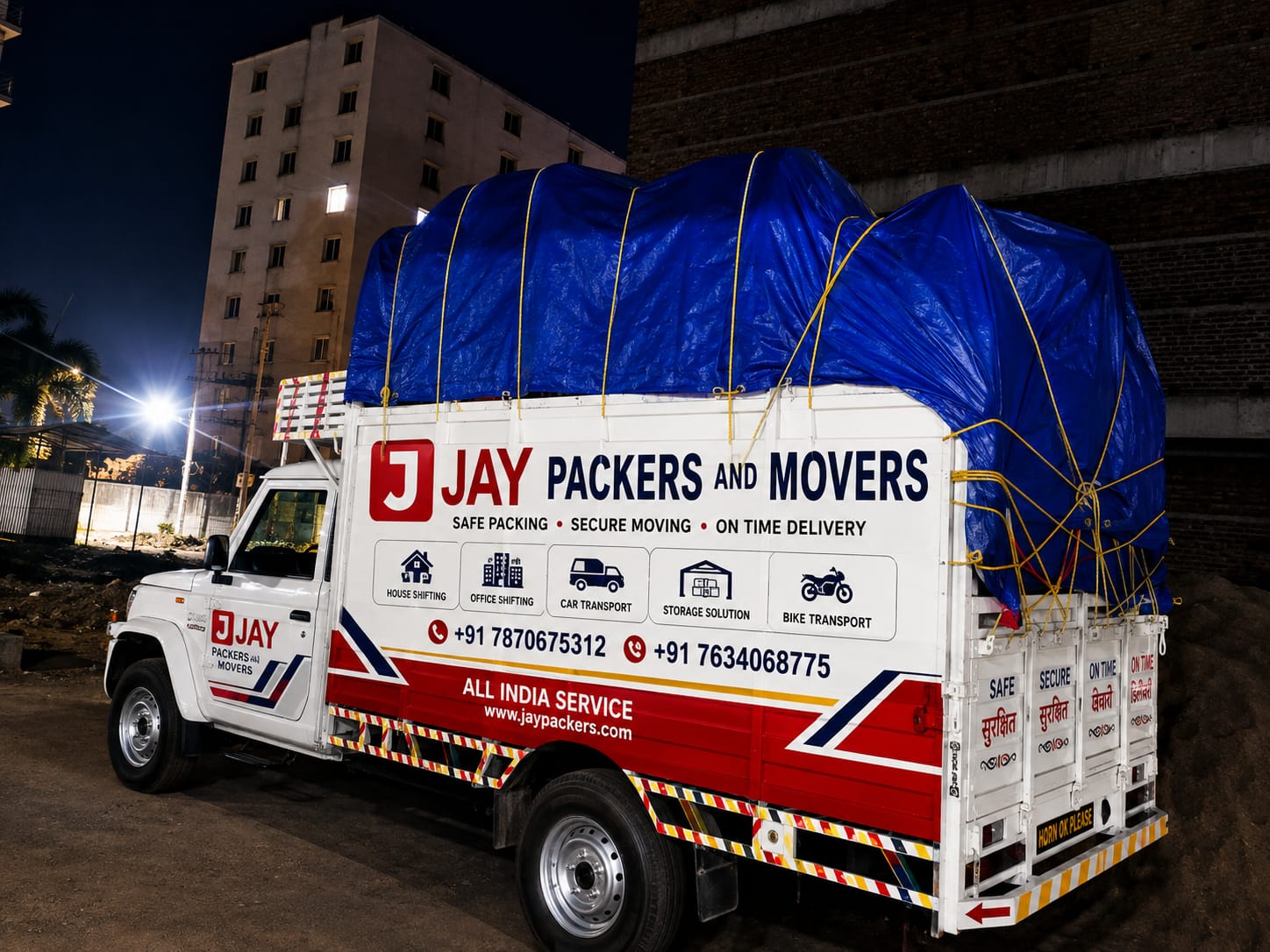
The decision to move household goods between Indian metro cities involves more than just packing boxes—it requires careful planning to avoid damage, delays, and costly mistakes. Rushed moves often lead to broken items, lost valuables, and stressful last-minute scrambles that can disrupt daily life. Jay Packers and Movers specializes in handling these transitions with attention to detail, ensuring that your belongings reach their new destination intact and on time. When a move is rushed, even seemingly minor issues like mislabeled boxes or inadequate packing can compound into major problems, from water damage to misplaced items that take days to locate.
A well-structured relocation plan takes time to develop but pays dividends in a smooth, stress-free experience. Understanding the differences between a simple household shift and a more complex office or vehicle relocation helps set realistic expectations. The following guide outlines a step-by-step approach tailored for Indian metro city moves, covering packing, loading, transport, and delivery. For a related step, see How to Plan an Office Relocation without Disrupting Operations.
Quick Summary
-
Start planning 3-4 weeks before the move to identify needs and timeline
-
Create a detailed inventory of all household goods to prioritize packing
-
Use professional packing services for fragile and high-value items
-
Schedule specialized transport for electronics, furniture, and appliances
-
Coordinate delivery and unpacking to minimize disruption at the new address
-
Verify insurance coverage and obtain written estimates before finalizing
Why This Job Differs from a Simpler Move
Moving household goods between Indian metro cities is more complex than a casual household shift due to factors like distance, traffic patterns, and urban infrastructure. A simple move may involve short distances and minimal city navigation, but inter-city relocation often spans hundreds of kilometers with varied road conditions, tolls, and urban congestion. The scale of items—from large furniture to fragile electronics—requires specialized handling that goes beyond standard packing. At the core of a difficult move is the need for precise coordination across multiple stages, from packing to loading to final delivery, where each step must be executed carefully to prevent damage. For a related step, see Protecting Valuables and Documents During Relocation.
What Changes the Quote
Cost factors in a move depend on the complexity of packing, the number of items, and whether specialized services are used. Professional packing and transport add to the overall expense, while a simple household shift may avoid these costs if done in-house. The quote shifts from "budget-friendly" to "comprehensive service" when hiring a moving company that handles everything from packing to delivery. Planning ahead also reduces the need for last-minute purchases that can increase costs. The quote may also vary based on the distance between cities, the type of vehicle used for transport, and the need for special equipment for oversized items.
| Factor | Simple Household Shift | Inter-city Metro Move |
|---|---|---|
| Distance | 20-50 km | 200-600 km+ |
| Traffic Complexity | Local streets | Major highways & urban congestion |
| Packing Needs | Basic (clothes, kitchen) | Comprehensive (furniture, electronics) |
| Transport Mode | Car/van | Truck/van with climate control |
| Insurance Coverage | Limited | Full coverage for high-value items |
What Changes the Quote: Timing and Preparation
The quote for a move changes based on how far in advance you book your services. Booking 3-4 weeks ahead ensures availability of vehicles and packing materials, while last-minute bookings may require premium rates or limited options. Planning also determines whether you can use free packing supplies or need to purchase them. A well-timed move allows you to avoid peak-hour traffic, reducing transit time and stress. For a related step, see How to Plan an Office Relocation without Disrupting Operations.
Planning Timeline
Three Weeks Out
Begin by creating a master inventory of all household goods. This helps prioritize which items need special packing and which can be donated or sold. Label boxes clearly by room and contents, and start packing non-essentials like books, off-season clothing, and seasonal decorations. This stage also involves researching Jay Packers and Movers' services to understand their packing and transport options for your specific needs.
One Week Out
Arrange the packing and loading services with Jay Packers and Movers. Confirm the schedule for pickup and delivery, and ensure all items are securely packed. Verify that fragile items are wrapped appropriately and that electronics are properly secured. This timing allows for any necessary adjustments before the move day.
The Day Before
Do a final walkthrough of the old home to ensure nothing is left behind. Confirm the loading and delivery timeline with your movers. Pack a small "first-night" box with essentials like toiletries, medications, and a phone charger so you can start the new home immediately after arrival.
Moving Day
The movers will arrive at your home to load items into the truck. They will handle securing furniture, stacking boxes, and ensuring fragile items are protected. The vehicle will be loaded systematically to prevent damage during transport. Upon arrival, they will unload and begin placing items in their new home, starting with essentials.
How the Critical Items Are Handled
-
Furniture - Large items like sofas, beds, and dining tables are disassembled, wrapped in moving blankets, and secured with padding to prevent damage during transport. Jay Packers and Movers uses specialized equipment to lift and position heavy furniture safely.
-
Electronics - Laptops, phones, and other electronics are carefully packed in anti-static bags and padded with bubble wrap. They are often disconnected from power sources and labeled to prevent accidental disconnection during transit.
-
Fragile Items - Glassware, china, and delicate kitchenware are individually wrapped in paper or bubble wrap before being placed in sturdy boxes. Jay Packers and Movers sorts these items separately to ensure they receive extra care during the move.
-
Documents and Valuables - Important papers, jewelry, and electronics that are not essential for the move are packed in a dedicated secure compartment. For a related step, see Protecting Valuables and Documents During Relocation.
-
Appliances - Large appliances like refrigerators and washing machines require professional disassembly and re-assembly at the new location. Movers coordinate with utility companies to ensure a smooth transition of power and water connections.
Mistakes and Red Flags
-
Skipping a proper inventory leads to lost or misplaced items and makes it hard to track what has been moved.
-
Packing without labeling results in confusion when unpacking, causing delays and frustration.
-
Using inadequate packaging materials can cause items to break during transport, especially for fragile or high-value goods.
-
Not disassembling furniture before transport may damage the item or make loading impossible.
-
Overloading the transport vehicle can compromise safety and increase the risk of damage during the journey.
Questions to Ask Before Booking
What type of packing service do you offer?
Ask about their packing materials, how they handle fragile items, and whether they provide a detailed packing list for your belongings.
Do you handle inter-city moves specifically?
Inquire about their experience with long-distance relocation, including vehicle selection and route optimization for metro city distances.
Is there a way to get a written estimate?
Request a detailed quote that breaks down costs for packing, transport, and delivery based on your specific items and destination.
What insurance options are available?
Understand their coverage for lost or damaged items and whether they offer additional protection for high-value possessions.
How do you coordinate with the new home?
Ask about their unpacking process, timing, and whether they provide a guide for placing items in the new space.
Plan Your Move With Jay Packers and Movers
This guide was designed to help you move household goods between Indian metro cities with confidence. By following the steps outlined, you can minimize damage, reduce stress, and ensure your belongings arrive safely at your new home. For a related step, see How to Plan an Office Relocation without Disrupting Operations. Contact Jay Packers and Movers to discuss your specific needs, whether it's a household shift, office relocation, intercity move, or vehicle transportation. They prioritize careful packing, clear communication, and dependable coordination to make your move a success.