
Tip: Before you follow the steps on Quick Summary, write down what is included, what it will cost you to skip, and the decision you still need to make.
Planning a Move When Elevator Access Is Limited
The decision to relocate, whether for a household shift, office relocation, or vehicle transportation, becomes more complex when elevator access is restricted. Rushed planning without proper preparation often leads to damage, delays, and unnecessary stress. When the only way up is a narrow stairwell or an elevator that is unavailable, the entire move requires a different approach and more careful coordination. Rushing this process can result in items being mishandled, schedules slipping, and unexpected costs arising from last-minute scrambling. For a related step, see Preparing Your Refrigerator Before Relocation.
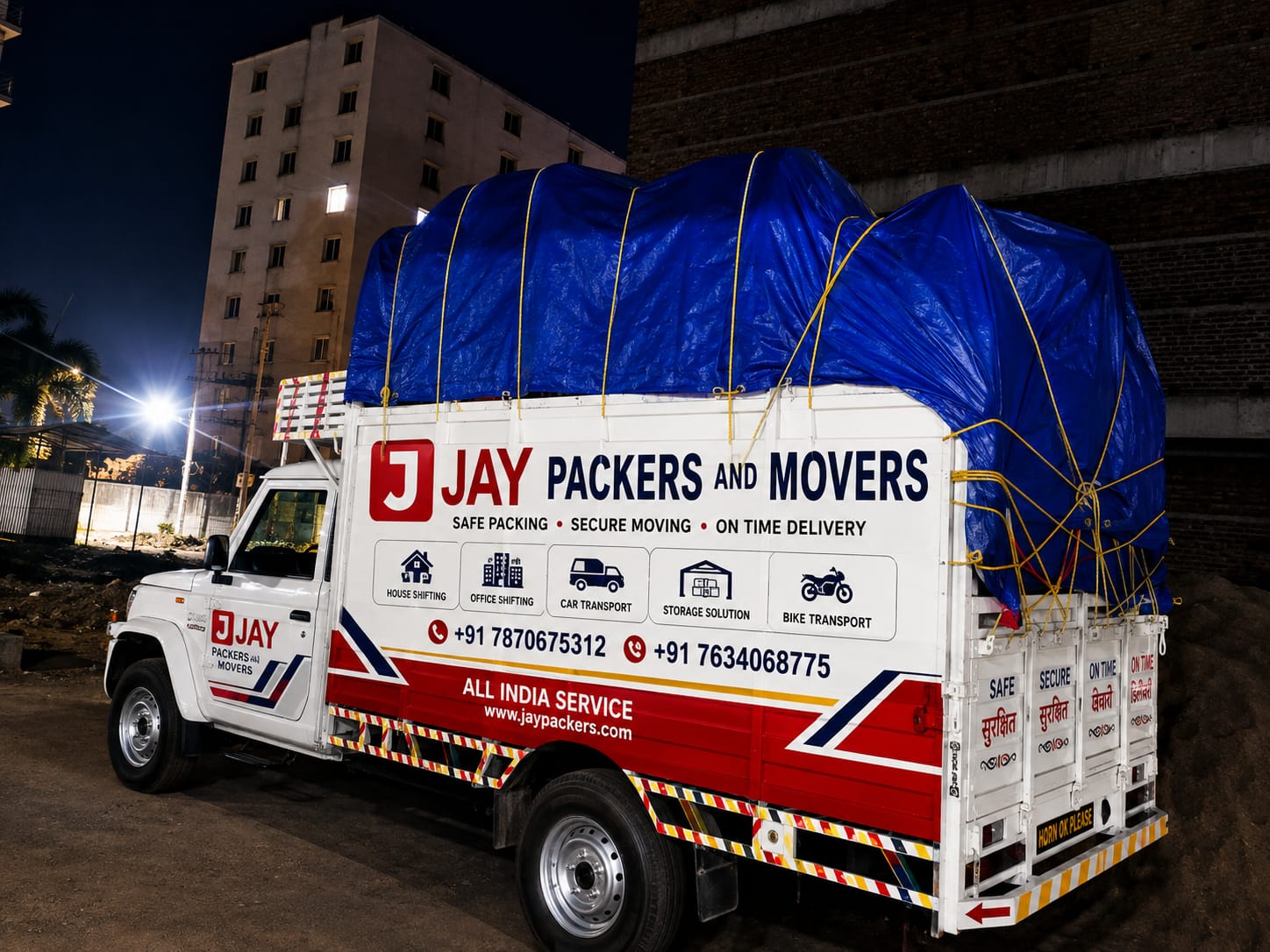
Jay Packers and Movers handles this type of move with specialized planning that accounts for vertical space constraints. Their team uses alternative loading methods, staggered timing, and careful coordination to ensure that household shifting, office relocation, or vehicle transportation proceeds smoothly even when the usual pathways are unavailable. Below is a comprehensive guide to navigating these challenges. For a related step, see How to Compare Enclosed and Open Vehicle Transport Options for Household Moves.
Quick Summary
-
Plan vertical access alternatives well in advance to avoid last-minute scrambling.
-
Use multiple loading points and staggered loading to manage limited space.
-
Coordinate timing with building access hours to ensure smooth movement.
-
Pack fragile items and electronics first to minimize risk during vertical transport.
-
Secure the vehicle or container in a stable position during ascent and descent.
-
Communicate clearly with the crew about constraints and priorities from the start.
Why This Job Differs from a Simpler Move
When elevators are unavailable, the move requires more manual labor and careful sequencing. Unlike standard moves that may rely on elevator shafts for vertical transport, this scenario demands creative solutions such as using multiple stairwells, cargo lifts, or specialized equipment. The complexity increases because each step must account for the physical limitations of the environment. For household shifting, this means more time in the home and potentially more wear on items. For office relocation, it can slow down the transfer of equipment and data. For vehicle transport, the truck must be carefully loaded and secured before entering the building. These factors combine to create a more time-intensive and risk-aware process.
| Factor | Standard Move | Elevator-Limited Move |
|---|---|---|
| Vertical Transport | Uses elevator shafts | Stairwells, cargo lifts, or multiple stairs |
| Loading Time | Moderate | Longer due to multiple access points |
| Risk of Damage | Lower | Higher if items are mishandled on stairs |
| Coordination Need | Minimal | High (multiple stakeholders) |
| Equipment Needs | Standard moving gear | Additional stair-climbing equipment |
What Changes the Quote: Cost Factors in Prose
Moving with limited elevator access typically requires additional resources. While the core labor cost remains similar to a standard move, you may need to pay for specialized equipment such as stair-climbing dollies or cargo lifts to assist with loading. Transportation costs can also increase if the vehicle must make multiple stops to access different floors. The total expense rises not because of the move itself, but because of the extra steps required to overcome the vertical constraint. These additional costs are often unavoidable when the usual pathways are unavailable. Planning ahead for these extra expenses helps avoid financial surprises during the relocation process.
| Cost Element | Standard Move | Elevator-Limited Move |
|---|---|---|
| Labor | Standard crew | Additional lift/dolly help |
| Equipment | Basic moving trucks | Stair-climbing gear, lifts |
| Time | Typically 1–3 days | 2–5 days depending on scope |
| Risk Premium | Moderate | Higher due to complexity |
Planning Timeline
Three Weeks Out
Start by assessing the vertical constraints of the building. Identify all stairwells, cargo lifts, and alternative access points. Map out the route for each item and estimate how many floors are involved. This early planning prevents bottlenecks later. Create a master inventory list of all household goods, office equipment, and vehicle items. Note which items are fragile, electronic, or require special handling. This step ensures that packing and labeling can begin in advance without last-minute panic.
One Week Out
Confirm elevator schedules with building management. If the elevator is available only during certain hours, plan your move around those windows. Book specialized equipment if needed, such as stair-climbing dollies or cargo lifts. Assign a point person to track progress and communicate with the crew. This coordination is essential because delays in vertical access can cascade into larger schedule issues. The more time invested now, the smoother the execution becomes.
The Day Before
Conduct a final walkthrough of the home and office. Verify that all items are tagged and ready for loading. Load heavy items from the ground floor first, and keep fragile items in a separate area to avoid damage during vertical transport. Ensure that the vehicle or container is prepared for the ascent. A well-organized staging area reduces confusion and speeds up the actual move. This is the final checkpoint before the move begins.
Moving Day
Begin loading as soon as access is available. Prioritize items that must stay in the building during the ascent, such as office equipment that cannot wait. Use the stairwells efficiently, taking advantage of multiple paths if possible. The crew will secure items at each floor, ensuring stability during transport. Once the final items are loaded, descend carefully and unload in reverse order. This method minimizes the risk of items shifting or falling.
How the Critical Items Are Handled
-
Household Goods Packing - Fragile items like glassware, electronics, and ceramics should be packed first and secured in the truck. Use bubble wrap, padding, and sturdy boxes. Label each box with its contents and destination. If the elevator is narrow, consider splitting larger boxes into smaller, stable units to prevent tipping.
-
Office Equipment Loading - Computers, monitors, and servers require special care. Disconnect power sources and secure them with straps. Place them in the truck in an upright position to avoid damage from vertical movement. For items that need to stay on the ground floor during the move, leave them in place and only transport the ones that must travel up.
-
Vehicle Transportation - The vehicle must be loaded with a stable base and secured with tie-downs. Heavy items should be placed low to the center of the truck to maintain balance. The crew will use straps and bracing to prevent shifting during the ascent and descent.
-
Stairwell Loading Sequence - Start at the ground floor and work upward. Each floor should be cleared before moving to the next. Use a cart or dolly to carry items between floors, and always test the elevator or lift before each use. If the elevator is unavailable, use a combination of stairwells and cargo lifts to move items between floors.
-
Warehousing and Staging - Before the move, stage all items in a temporary area near the main entrance. This allows the crew to access each floor without blocking access. Use floor markers to guide the crew and prevent congestion. This step reduces confusion and ensures that every item has a clear path.
| Item | Packing/Moving Method | Risk If Skipped |
|---|---|---|
| Household Goods | Box in boxes, label by room | Broken items, lost contents |
| Office Equipment | Disconnect power, secure with straps | Cracks in monitors, bent cables |
| Vehicle | Secure base, tie-down all items | Spillage, damaged goods |
| Stairwell Items | Use multiple carts, stagger floors | Items left behind, re-loading needed |
| Warehousing | Stage at entrance, mark floors | Confusion, misplacement |
Mistakes and Red Flags
-
Underestimating Vertical Space - Assuming the stairwell can handle all items without regard to width or height can lead to crushed or dropped items. Always measure the clear width and height of the stairwell before planning.
-
Skipping Item Prioritization - Loading everything at once without prioritizing fragile or essential items can cause unnecessary damage. Start with the most delicate items and work outward.
-
Inadequate Equipment - Using standard furniture dollies on narrow stairwells can cause tipping. Ensure you have the right gear for vertical transport.
-
Ignoring Elevator Schedules - Relying on the elevator without checking its availability can create bottlenecks. Confirm schedules in advance and have a backup plan.
-
Poor Staging - Not staging items at the entrance leads to disorganization and confusion during the move. A clear staging area keeps the crew focused and efficient.
Questions to Ask Before Booking
1. How do you handle moves with limited vertical access?
A: We assess the building's stairwells, cargo lifts, and alternative routes to create a reliable path. We also recommend equipment like stair-climbing dollies to assist with loading and transporting items between floors.
2. What is your process for packing fragile items in a stairwell environment?
A: Fragile items are packed first in separate boxes with ample cushioning. They are labeled and secured at the top of the stairwell before any heavier items are loaded. This ensures they remain stable during vertical transport.
3. How do you coordinate with building management for elevator access?
A: We coordinate with building management to understand elevator schedules and access hours. If the elevator is not available, we use a combination of stairwells and cargo lifts to move items between floors.
4. What happens if the stairwell is too narrow for your items?
A: We break larger items into smaller, more manageable boxes and use multiple carts to carry them. If necessary, we arrange for specialized equipment such as cargo lifts to assist with the ascent.
5. How do you ensure vehicle transport is safe when moving up stairs?
A: The vehicle is loaded with a stable base and secured with tie-downs. Heavy items are placed low and centered to maintain balance during ascent and descent. The crew monitors the load throughout the move.
Plan Your Move With Jay Packers and Movers
This guide has outlined a structured approach to moving when elevator access is limited, emphasizing careful planning, specialized equipment, and clear communication. By following the timeline and handling procedures outlined above, you can reduce stress and minimize damage. Whether you are shifting your household, relocating your office, or moving your vehicle, taking the time to address vertical constraints upfront makes the entire process more manageable.
For household shifting, office relocation, intercity moves, or vehicle transportation in India, Jay Packers and Movers provides the expertise to handle these challenges. Their team is equipped to work within tight spaces and ensure that every item reaches its destination safely. Contact them to discuss your specific move and receive a customized plan. They offer careful packing, clear communication, and dependable coordination to make your relocation smooth and stress-free.