
Tip: Before you follow the steps on this subject, write down what is included, what it will cost you to skip, and the decision you still need to make.
Planning Your Summer Move in India: A Step-by-Step Guide Moving during India's extreme summer heat requires extra planning to protect your belongings, ensure safety, and avoid damage. Rushed moves in high temperatures can lead to spoiled goods, health risks, and costly delays. By following a structured timeline and prioritizing critical steps, you can keep your household, office, or vehicle relocation smooth and stress-free.
When relocating in India during peak summer, the heat adds significant challenges to moving logistics. High temperatures can compromise perishable items, degrade packing materials, and create uncomfortable conditions for both you and your movers. A well-structured plan that accounts for thermal stress, proper loading, and timing helps mitigate these risks and ensures a successful move.
A quick summary of the key phases and considerations:
-
Start planning 3-4 weeks before the move
-
Conduct thorough inventory and prioritize fragile/heat-sensitive items
-
Schedule packing and loading during cooler morning/evening hours
-
Use appropriate packing materials for high temperatures
-
Coordinate vehicle transport and warehousing carefully
-
Plan for proper temperature control during transit
Why this job differs from a simpler move: Unlike a local household shift within the same city, summer moves in India face additional thermal challenges that require specialized handling, extended planning, and extra care during loading and unloading.
| Aspect | Standard Summer Move | Heat-Aware Summer Move |
|---|---|---|
| Timing | Any time of year | Early morning or late afternoon |
| Packing | Basic boxes and tape | Insulated materials, moisture barriers |
| Loading | Standard truck loading | Temperature-controlled containers |
| Transit | Regular vehicle | Insulated truck or specialized transport |
| Risk Level | Moderate | High (requires extra precautions) |
What changes the quote: The quote shifts from "move efficiently" to "move with thermal protection in mind." Cost factors include higher fuel for air-conditioned vehicles, specialized packing materials, and potentially longer transit times to account for heat-sensitive delays. Planning ahead also reduces the risk of last-minute scrambling and the need for emergency repairs.
Timeline for a Heat-Aware Move
Three Weeks Out
Start by assessing the total volume of your household goods, office equipment, or vehicle contents. Create a detailed inventory that marks each item as fragile, heat-sensitive, or essential. This allows you to prioritize packing the most vulnerable items first and avoid last-minute rushes. Organize your packing strategy around temperature considerations—segregate heat-sensitive items like electronics and perishables from standard household goods.
One Week Out
Begin packing non-essential items first, starting with those most vulnerable to heat damage. Use bubble wrap, foam inserts, and sealed bags for electronics and documents. Label boxes clearly by room and priority. For office relocations, pack paperwork and computer components separately. Schedule the loading of your vehicle so that it arrives at your destination when the ambient temperature is still cool. For intercity moves, book a truck with climate control if available.
The Day Before
Conduct a final walkthrough to ensure all boxes are properly sealed and marked. Verify that your packing materials are sufficient and that no heat-sensitive items were left behind. Coordinate with your movers to confirm they have temperature-controlled containers or will use insulated liners. Ensure your vehicle's cooling system is ready for loading. For household shifts, this is also the time to confirm your new address details and utility connections are set up.
Moving Day
Load items onto the vehicle early in the morning to take advantage of cooler temperatures. Place the heaviest and most heat-sensitive boxes at the bottom of the truck. Keep perishable items separated from dry goods. Once on the road, monitor the vehicle's interior temperature—if possible, use fans or air conditioning to maintain a safe range. For intercity moves, plan for multiple stops if the journey is long to allow for vehicle cooling periods.
Critical Items Handling
-
Electronics and Documents – Wrap in bubble wrap and place in sealed, insulated boxes. Keep these in the coolest part of the vehicle until you reach your destination.
-
Medications and Perishables – Store in the bottom compartment of the vehicle where temperature is more stable. Avoid placing them near the engine or heater vents.
-
Office Equipment – Disconnect power cords and wrap keyboards and monitors in protective sleeves. Use padded dividers to prevent scratches and moisture exposure.
-
Clothing and Fragrances – Seal in airtight containers to protect against humidity and heat degradation. Wrap delicate fabrics separately.
-
Vehicle Transport – Secure loose items in the trunk to prevent shifting. Use tie-downs that do not damage the vehicle's interior.
| Item | How It Is Packed | Risk If Skipped |
|---|---|---|
| Electronics | Bubble wrap, foam inserts, sealed boxes | Heat damage, short circuits |
| Documents | Waterproof bags, padded boxes | Water damage, paper warping |
| Office gear | Padded dividers, anti-static sleeves | Scratching, static discharge |
| Clothing | Airtight containers, separate from other items | Melting, shrinkage |
| Vehicle contents | Secure straps, temperature-controlled compartments | Shifting, leaks, temperature damage |
Mistakes and Red Flags
-
Loading hot boxes directly onto the vehicle floor – This exposes contents to direct heat and increases the risk of spoilage.
-
Skipping temperature-controlled packing materials – Using standard boxes without insulation can lead to rapid degradation of heat-sensitive items.
-
Overpacking fragile items in the same box as non-fragile goods – This can cause breakage during transit.
-
Not confirming the destination address details – Incorrect addresses can cause delays and additional stress during the move.
-
Ignoring the vehicle's cooling system – Without proper airflow or AC, your belongings will experience thermal shock upon arrival.
-
Leaving perishable items in the vehicle during transit – Even brief exposure to extreme heat can ruin food and perishable goods.
Questions to Ask Before Booking
Q: How far in advance should I schedule my move during summer?
A: Plan at least three weeks ahead to account for heat-related delays and ensure you have time to adjust to the new location's temperature. This buffer allows for potential rescheduling if extreme heat disrupts loading or transit.
Q: What packing materials are best for high-temperature moves?
A: Use bubble wrap, foam inserts, and airtight seals. These materials protect against both moisture and heat, preventing items from softening, warping, or spoiling during the journey.
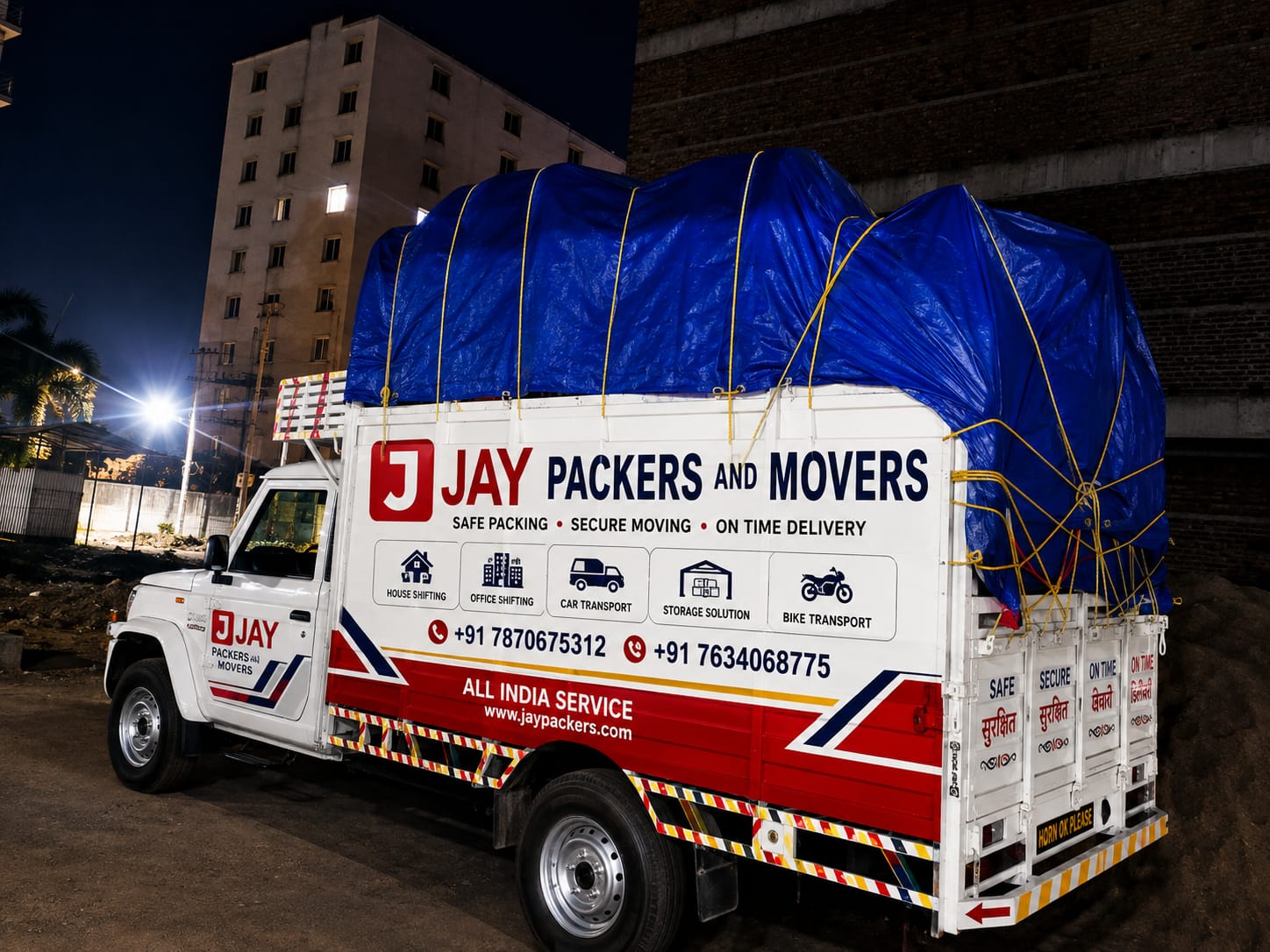
Q: Will Jay Packers and Movers handle heat-sensitive items properly?
A: Yes, they use temperature-controlled containers and insulated packing methods for electronics, documents, and perishables. You can review specific handling procedures by contacting them directly.
Q: How should I coordinate with movers for vehicle temperature control?
A: Request that the moving team uses climate-controlled trucks or insulated liners. Confirm their protocols for maintaining a cool interior during loading and transit.
Q: What if my office equipment is not packed according to standard procedures?
A: Never risk damage by skipping steps. If you're unsure, ask Jay Packers and Movers to assist with specialized packing for office items to avoid costly repairs.
Q: Is it safe to move during the peak summer months in India?
A: Yes, but with careful planning. The main risks are heat damage and extended transit times. A structured timeline and attention to detail make summer moves manageable and safe.
Plan Your Move With Jay Packers and Movers
For a related step, see How to Compare Packers and Movers Quotes Fairly. For a related step, see Preparing Children and Pets for Moving Day in India.