
Tip: Before you follow the steps on this subject, write down what is included, what it will cost you to skip, and the decision you still need to make.
How to Declutter Your Home Before Relocating in India
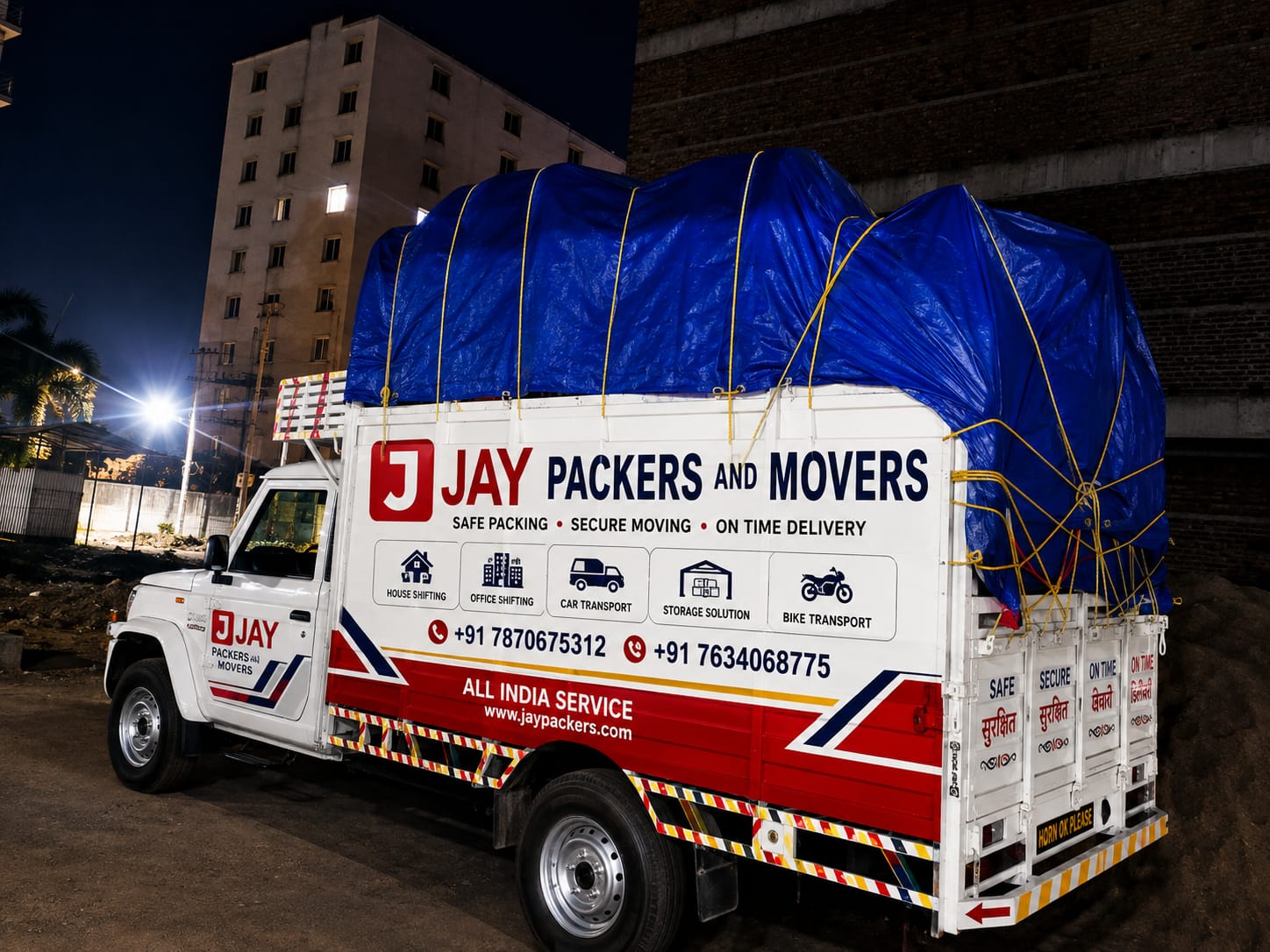
The decision to move household goods, office equipment, or vehicles across state lines in India often begins with a chaotic pile of possessions that no longer serve a purpose. When a relocation is rushed, the quality of the move suffers—stuff left behind becomes a burden, and valuable items are overlooked during the cramped loading process. Jay Packers and Movers understands that a thorough decluttering phase is the foundation of a smooth transition, whether you are shifting your family home, relocating your office, or transporting a vehicle between cities.
Before you pack boxes or schedule a truck, taking the time to evaluate what truly belongs in your new space prevents wasted effort and reduces stress. Rushing this step leads to last-minute scrambling, duplicate items, and forgotten essentials that must be packed during the move itself. A well-planned decluttering process ensures that every item has a place in the new home, saving time and protecting your belongings during transport.
A quick summary of key timing and checks includes:
-
Start decluttering 4–6 weeks before the move date to allow thorough sorting
-
Set aside specific time blocks for each room to avoid burnout
-
Evaluate each item for utility, frequency of use, and emotional attachment
-
Create a master list of items to discard, donate, or keep
-
Schedule a final walkthrough to confirm nothing is left behind
Why this job differs from a simpler move: a comparison table of at least four rows
| Aspect | Standard Move | Decluttered Move |
|---|---|---|
| Time to Pack | Often rushed, last-minute | Carefully planned, spaced across weeks |
| Items to Carry | Excess and duplicates | Only essentials, no redundancies |
| Transport Risk | High chance of breaking/damaging | Reduced weight, better organization |
| Storage Needs | May exceed space in new home | Fits neatly in available space |
What changes the quote: cost factors in prose plus one table
Moving without a decluttering phase often results in higher costs due to excess weight, extra transportation, and potential damage claims. The quote emphasizes that investing time in sorting now saves money and stress later. The following table outlines the primary cost factors:
| Cost Factor | Impact of Decluttering | Impact Without Decluttering |
|---|---|---|
| Packing Materials | Reduced (less volume) | Increased (extra boxes needed) |
| Transport Distance | Shorter (lighter load) | Longer (full truck required) |
| Handling Fees | Lower (simpler packing) | Higher (complex sorting required) |
| Risk of Damage | Minimal (organized packing) | Higher (mixed items, fragile items jumbled) |
Planning timeline: Stages of preparation
Three Weeks Out
Focus on the major categories: kitchen, bedroom, and living areas. Go through each room systematically, deciding what to keep, donate, sell, or discard. This period allows you to see the scope of your possessions clearly. Sorting during this stage prevents last-minute panic and ensures you don't leave valuable items behind.
One Week Out
Concentrate on high-value items and sentimental pieces. Confirm what will go with you and what can be left behind. This stage also involves cleaning the spaces you will keep, as a clean environment makes decluttering easier and more satisfying. By the end of this week, you should have a clear inventory of what will be transported.
The Day Before
Do a final sweep of any remaining clutter. Pack only items you are certain to use. Verify that your packing supplies are ready and that you have a clear plan for loading. This final check ensures you leave no room for surprises during the actual move.
How the critical items are handled
The following numbered steps outline the handling of essential items during the move:
-
Identify Must-Haves – Before packing, list the absolute essentials for your new home (e.g., bedding, basic kitchenware, office equipment). This prevents forgetting critical items during the rush.
-
Special Handling for Electronics – Devices like laptops, phones, and smart home gadgets should be backed up and packed in anti-static bags. This protects data and ensures electronics arrive ready to use.
-
Office Equipment Segmentation – Separate office supplies (paper, pens, monitors) from household items. This avoids cross-contamination and ensures professional equipment is treated appropriately.
-
Vehicle Transport Planning – If moving a vehicle, secure it on a trailer or in a truck bed with proper padding. This prevents damage to the car and ensures it arrives safely.
-
Warehousing for Bulk Items – For items that cannot be packed immediately (like large furniture), arrange temporary storage. This buys time and allows you to focus on smaller, more manageable loads.
| Item | How It Is Packed or Moved | What Fails If Skipped |
|---|---|---|
| Laptop & Accessories | In padded hard case with bubble wrap | Data loss or broken device |
| Office Supplies | Stored in labeled boxes, flattened | Damage to fragile items |
| Kitchenware | Wrapped in moving blankets, disassembled | Broken dishes, utensils shattered |
| Clothing | Packed in wardrobe boxes, rolled | Lost or wet clothes |
| Large Furniture | Disassembled and packed segment by segment | Damaged corners, broken structure |
Mistakes and red flags
Five critical warning signs to watch for during the decluttering and moving process:
-
Leaving High-Value Items Behind – Discarding irreplaceable family heirlooms or important documents can cause lasting regret and complicate resale or replacement.
-
Overpacking Without Sorting – Packing everything without first deciding what stays ensures you carry unnecessary weight and increase transport costs.
-
Neglecting Fragile Items – Skipping special handling for glassware, ceramics, and electronics leads to breakage that can ruin the move.
-
Skipping Professional Assessment – Not identifying which items require professional packing leads to improper packing and potential damage.
-
Ignoring Final Walkthrough – Failing to check every room before leaving means forgotten items remain behind, creating a last-minute scramble.
Questions to ask before booking
What should I expect from a decluttered move?
A decluttered move typically takes less time and fewer resources because you are transporting only what is truly needed. The process often reduces overall moving costs and decreases the risk of damage to valuable items.
How will my new space be organized?
Once items are sorted, you can arrange them logically in the new home, starting with essentials in the most-used areas. This makes the transition smoother and helps maintain a clutter-free environment.
What if I have sentimental items I want to keep?
Prioritize items that hold emotional value but can be digitized or stored safely. For example, photos and small keepsakes can be photographed before packing, allowing you to keep the physical items while preserving memories.
How does decluttering affect the budget?
While you may spend a few extra hours sorting, the overall moving costs are often lower due to reduced weight and fewer items requiring transport, leading to a more economical relocation.
Can I do a final decluttering after the move?
A quick post-move check is wise—remove any items that no longer serve a purpose before the new home is settled. This ensures your new space remains organized and functional.
Plan Your Move With Jay Packers and Movers
For a related step, see Choosing Between Shared Transport and Dedicated Truck for Household Moves.
For a related step, see How to Identify Items That Need Professional Packing.