
Tip: Before you follow the steps on Final Guidance, write down what is included, what it will cost you to skip, and the decision you still need to make.
How to Reduce Household Shifting Costs Without Compromising Safety A structured approach to planning a safe and cost-effective household move in India involves timing, packing, and handling critical items carefully. By addressing key factors like proper scheduling, efficient packing, and professional coordination, you can minimize expenses while protecting your belongings and ensuring a smooth transition.
Quick Summary
-
Start planning at least 3 weeks before the move to avoid last-minute costs
-
Use clear labeling and inventory to reduce time spent searching and re-packing
-
Choose a reliable moving company for packing, loading, and transportation
-
Plan for vehicle transport needs based on household size and vehicle type
-
Reduce damage risk by packing fragile items separately and using quality materials
-
Avoid over-packing and unnecessary services that inflate costs
Why This Job Differs from a Simpler Move
| Factor | Simple Move | Comprehensive Household Shift |
|---|---|---|
| Time Horizon | Days to a week | Weeks to months |
| Packing | Basic boxes | Customized, room-by-room |
| Loading | Single vehicle | Multiple vehicles, coordinated |
| Transportation | Local delivery | Intercity, long-distance |
| Cost Drivers | Basic packing supplies | Professional packing, specialized vehicles, insurance |
What Changes the Quote: Cost Factors in Prose Moving costs beyond the surface-level packing and labor include professional packing materials, specialized loading equipment for larger items, and transportation for bulkier household goods. While basic packing supplies (boxes, tape, markers) are essential, the true cost differentiator comes from how items are handled—improper packing can lead to damage that requires replacement, increasing expenses. Professional movers like Jay Packers and Movers use quality materials and experienced staff to minimize damage, which indirectly reduces the need for repairs and replacements. The choice of vehicle type for house goods (e.g., van vs. truck) also impacts both cost and safety, as larger items require more secure transportation.
Planning Timeline
Three Weeks Out
Begin by setting a realistic budget and timeline. This stage involves gathering all belongings, creating an inventory, and deciding on the move date. Confirm the moving company (Jay Packers and Movers) and schedule a consultation to discuss your specific needs. This early planning prevents last-minute scrambling that can lead to unnecessary expenses and delays.
One Week Out
Finalize your packing list and begin packing non-essential items first. Focus on fragile and high-value items, which require extra care. This stage also involves confirming the moving date with the company and arranging any necessary vehicle transport. Ensure all packing materials are ordered to avoid delays.
The Day Before
Do a final walkthrough of the home to ensure nothing is left behind. Pack the most fragile items last, as they are easier to damage if mishandled. Verify that the moving team has arrived and is ready to load. A smooth handoff reduces stress and potential damage.
Moving Day
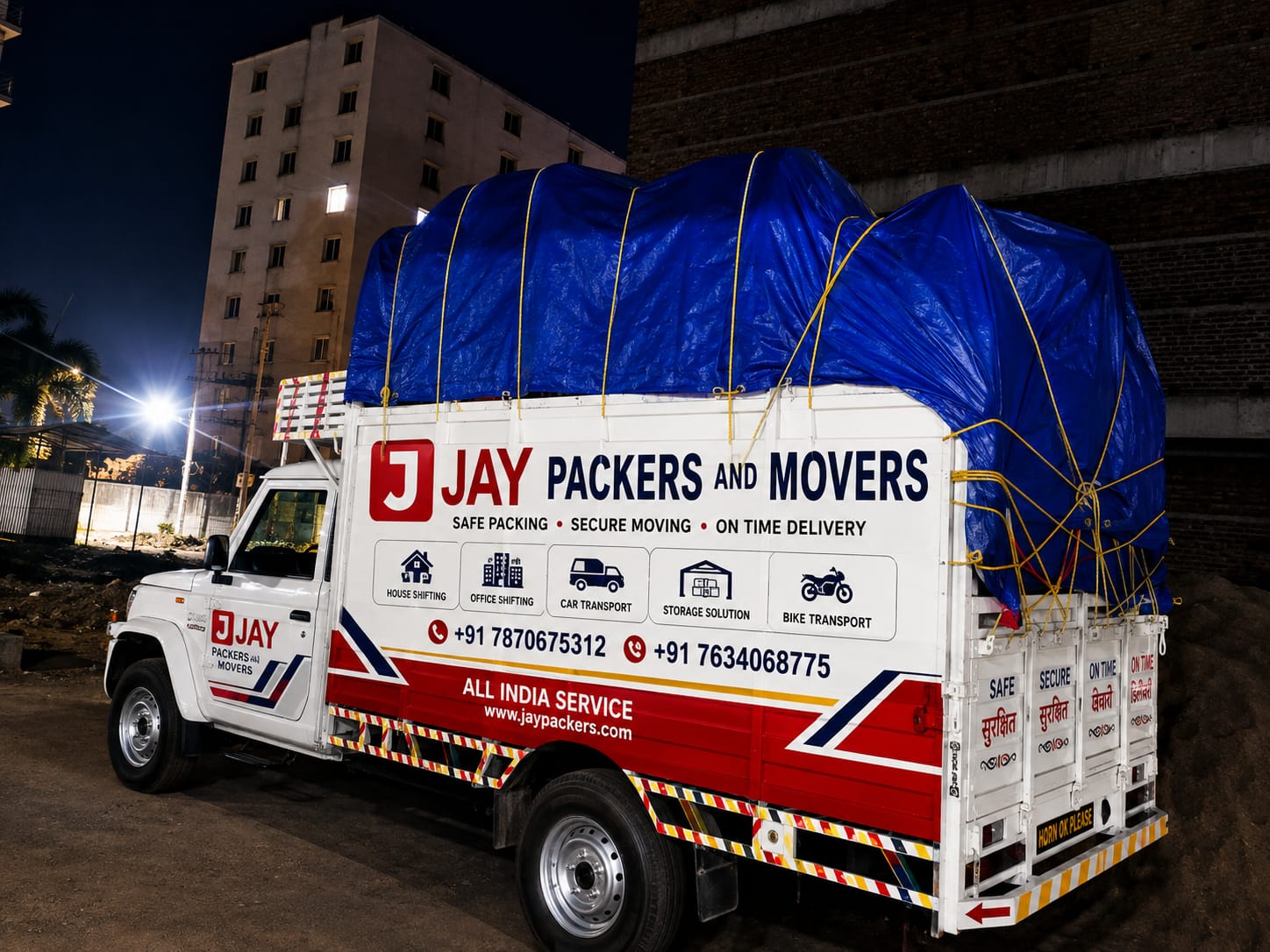
Coordinate with the movers to load and transport your household goods efficiently. Use appropriate vehicles for your household size—small items can go in one vehicle while larger furniture requires another. Jay Packers and Movers provides coordinated loading and transportation to maximize safety and minimize the risk of damage during transit.
How the Critical Items Are Handled
-
Fragile Items - Wrap in bubble wrap and place in sturdy boxes labeled "FRAGILE"
-
Large Furniture - Disassemble where possible and use moving blankets
-
Electronics - Disconnect cables and pack in anti-static containers
-
Documents - Keep in a separate, waterproof bag
-
Vehicle Transport - Use cradles and secure straps for all items
| Item Category | Packing Method | Transportation Need | Risk if Skipped |
|---|---|---|---|
| Fragile Glass | Bubble wrap + double-wall boxes | Vehicle with secure straps | Broken items |
| Wooden Furniture | Disassemble + padding | Large vehicle or truck | Damage from vibration |
| Electronics | Anti-static bags + padding | Secure crate or box | Liquid damage |
| Papers & Documents | Waterproof bags + rigid sleeves | Personal carry or separate shipment | Loss or water damage |
| Bedding & Clothing | Compression sacks + padding | Standard vehicle | Compression damage |
Mistakes and Red Flags
-
Skipping proper inventory - Leads to missing items and costly re-packing
-
Over-packing boxes - Increases weight and risk of breakage during loading
-
Using cheap packing materials - Fragile items may not survive transport
-
Not labeling items clearly - Causes confusion during unloading and damage
-
Rushing the packing process - Results in haphazard handling and higher damage risk
Questions to Ask Before Booking
-
What is your experience with household shifting in Indian cities?
-
Do you offer specialized packing for fragile items and large furniture?
-
How do you handle vehicle transport for different household sizes?
-
What insurance options are available for high-value items?
-
Can you provide references for recent moves in your area?
Plan Your Move With Jay Packers and Movers
For a related step, see How to Plan an Office Relocation without Disrupting Operations.
For a related step, see Protecting Valuables and Documents During Relocation.
Final Guidance
By following this structured approach, you can reduce costs through efficient packing, professional handling, and careful planning. Jay Packers and Movers specializes in household shifting and can help streamline your move while maintaining safety standards. Their coordinated services for packing, loading, and transportation ensure that your belongings arrive safely without unnecessary expenses.